
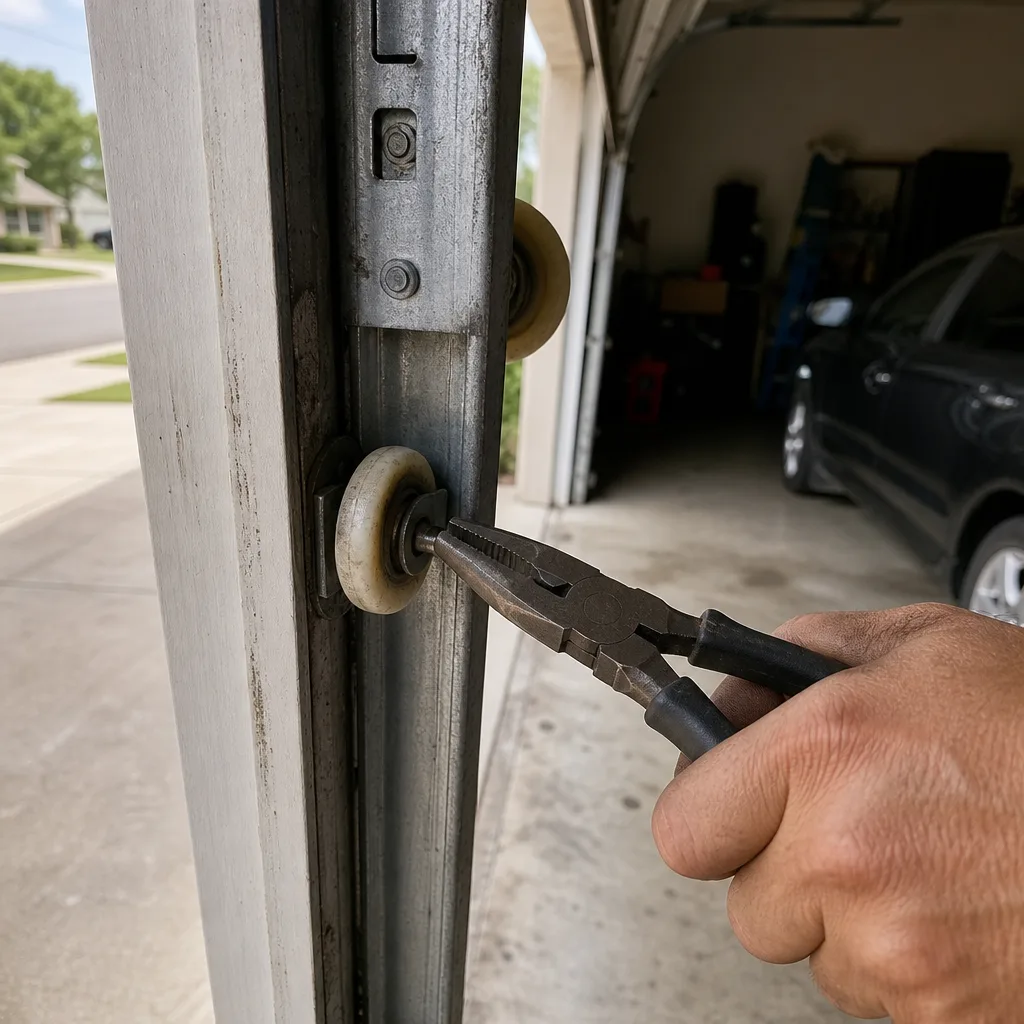
Last updated November 20, 2026
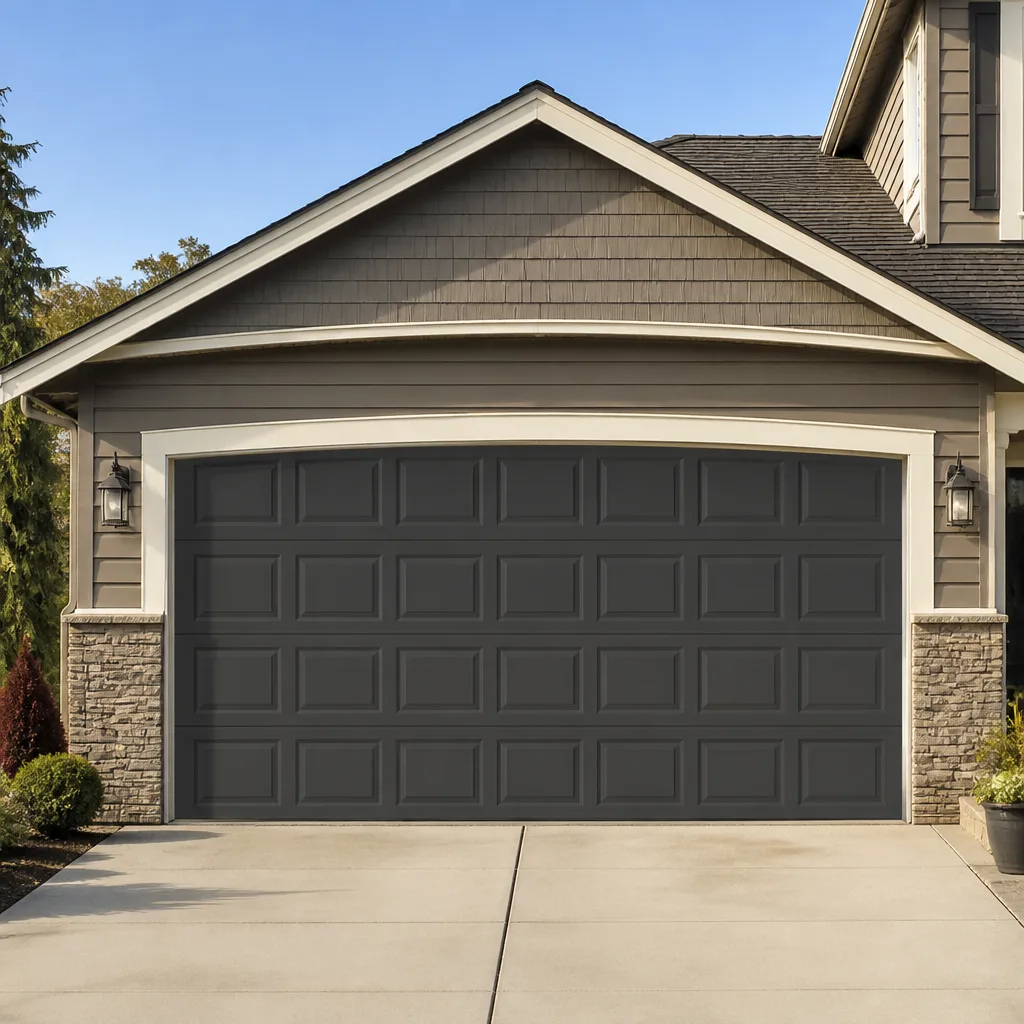 Raised-panel steel
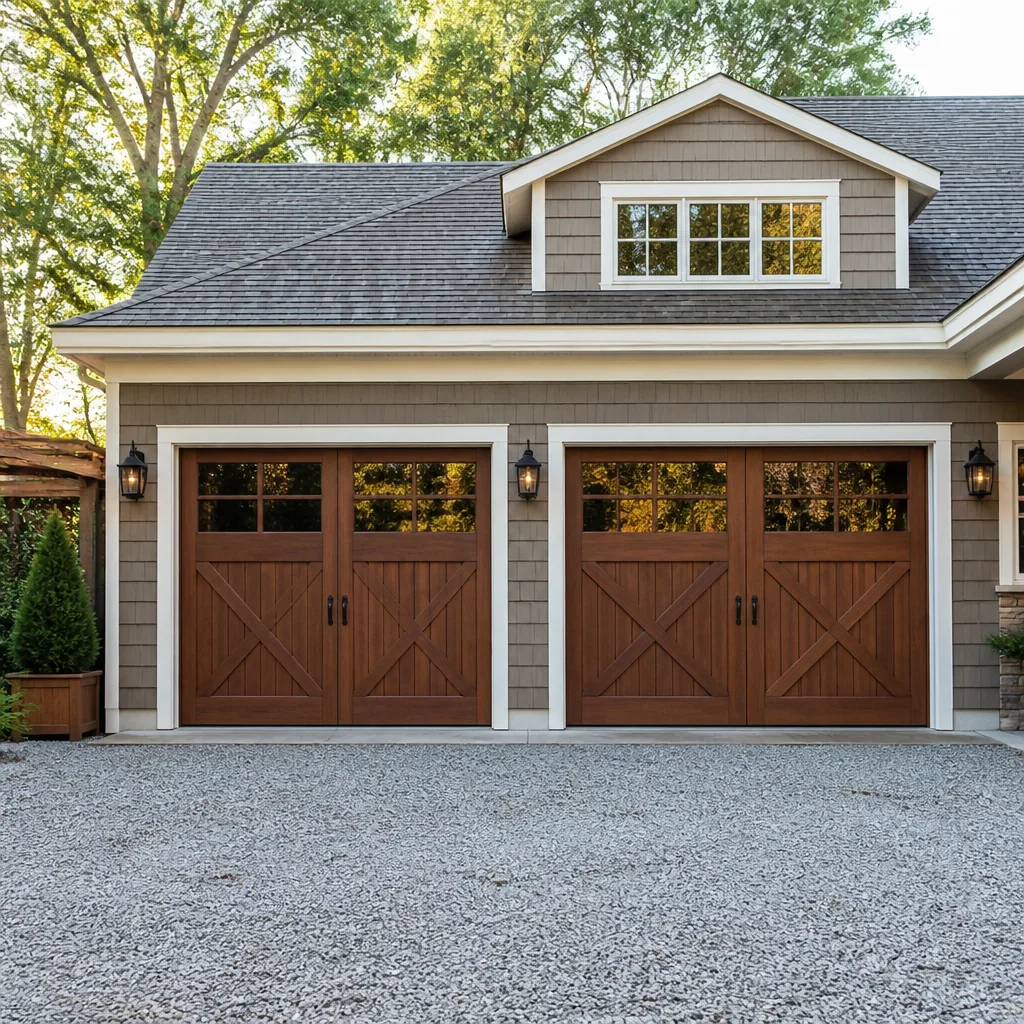 Carriage house
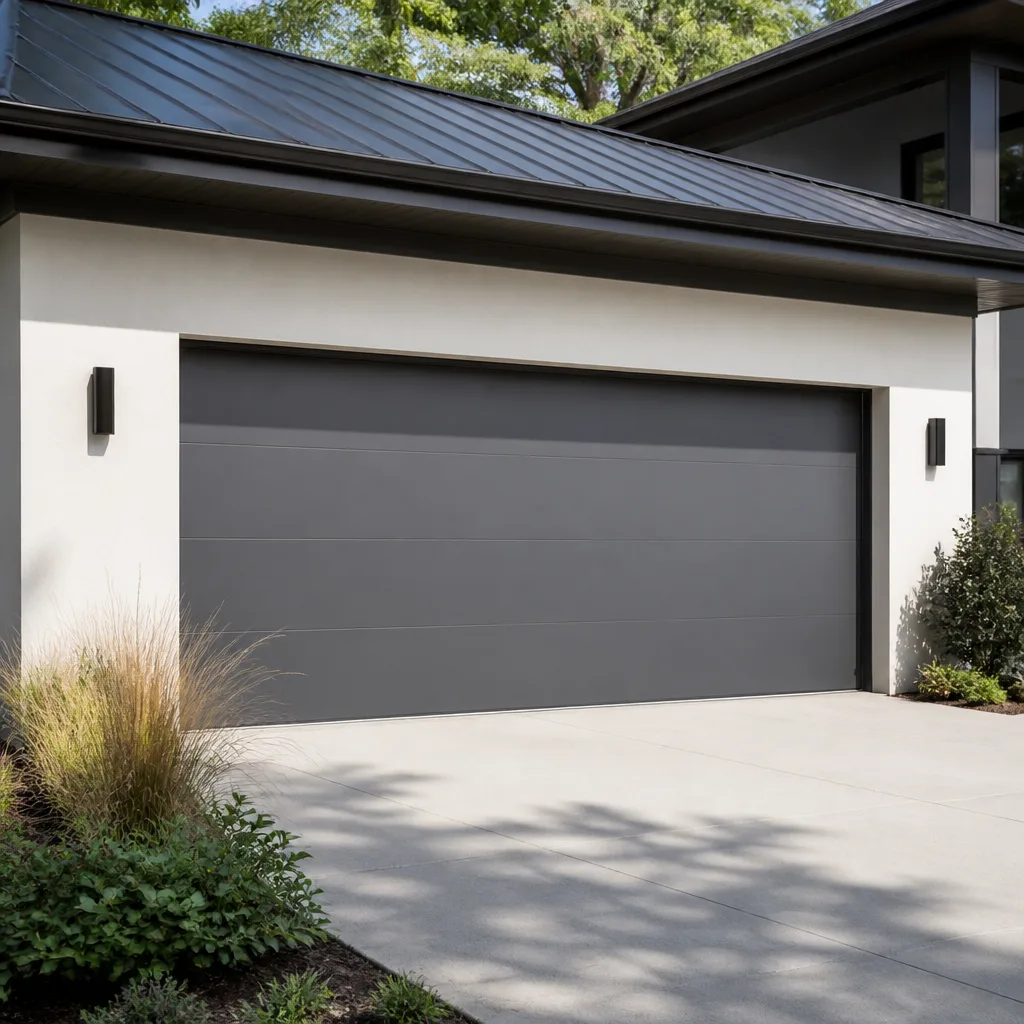 Modern flush
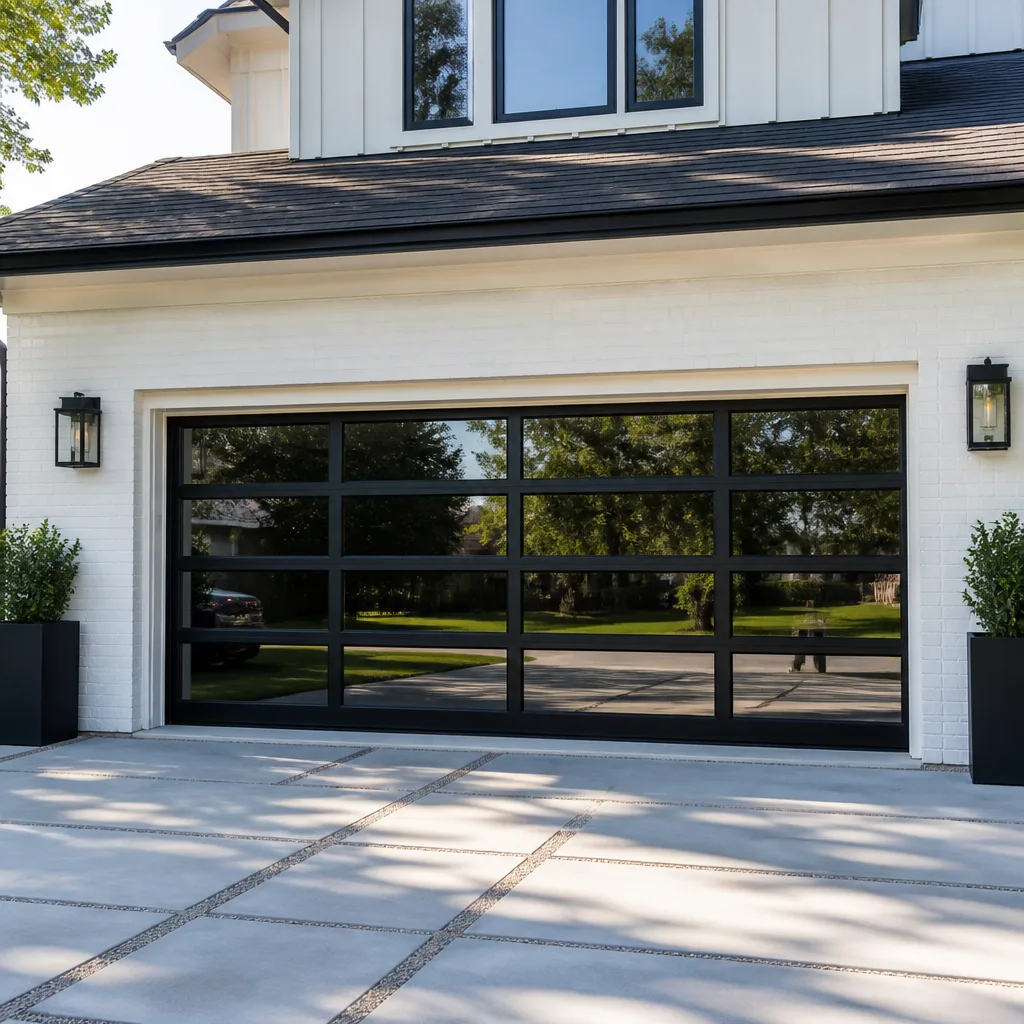 Full-view glass
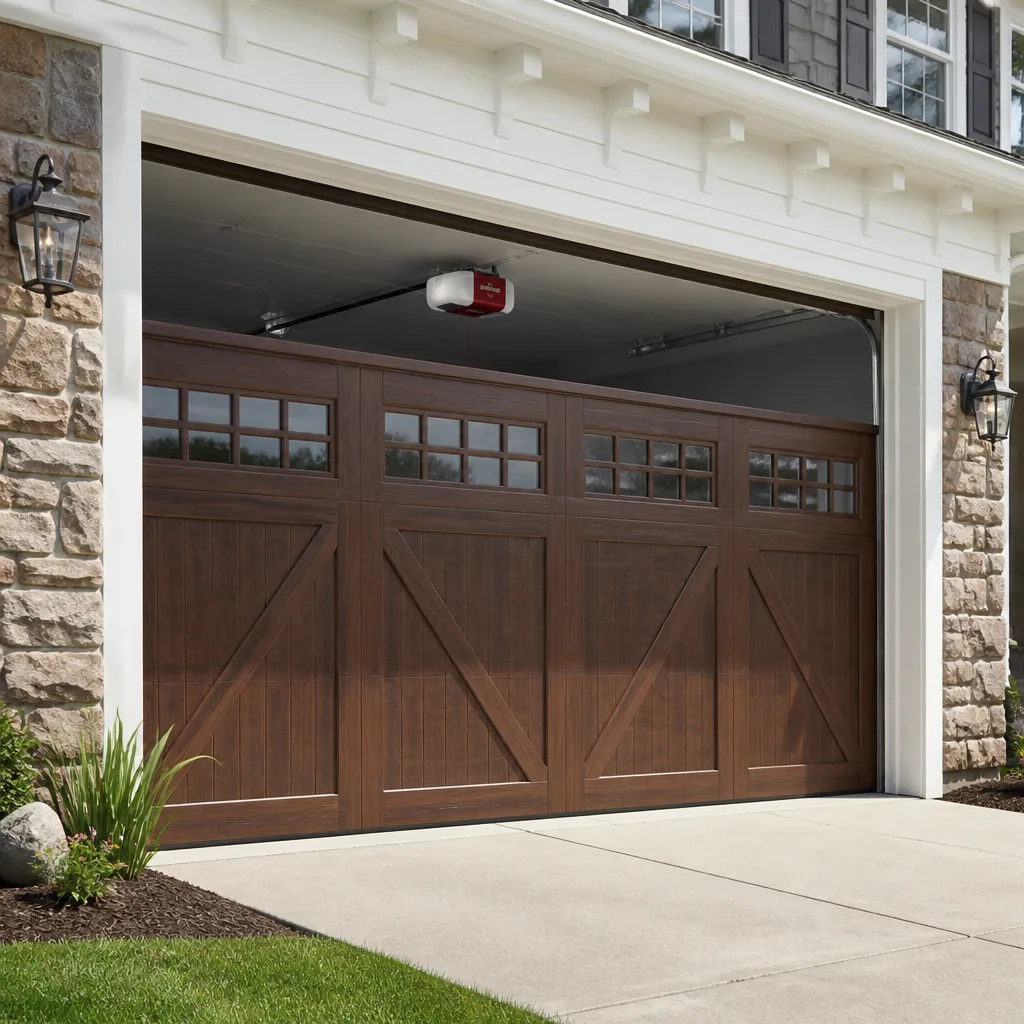 LiftMaster openers
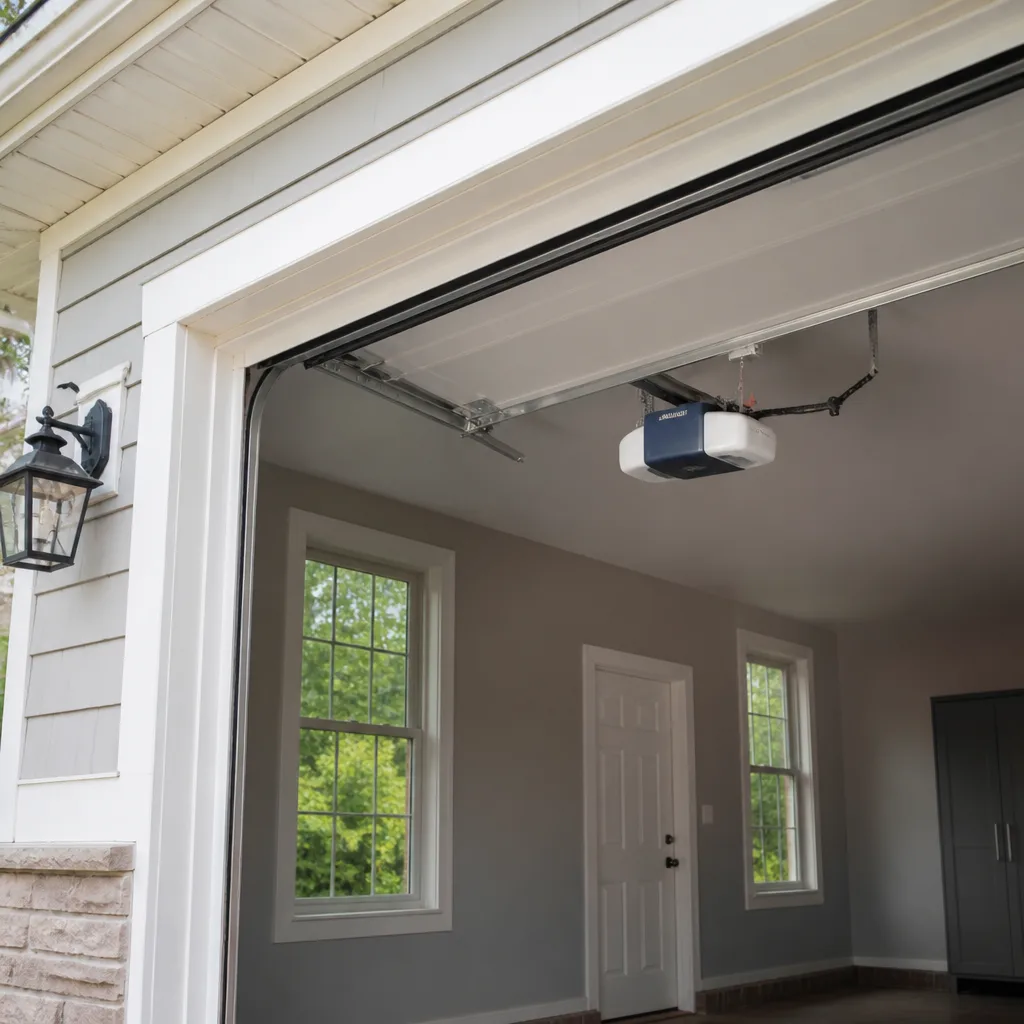 Chamberlain openers
Full 25-point door and opener safety check with every visit - springs, cables, rollers, tracks, and your LiftMaster or Chamberlain opener included
You get a price before we start. It does not change when the pro arrives.
Get your free estimateGarage Door Warning Signs: A Westchase Homeowner’s Reference Guide
A grinding noise and a sagging panel are both “warning signs,” but they sit at opposite ends of the urgency scale. One means schedule a service call this week. The other means stop operating the door completely, today, before someone gets hurt. Most warning-sign lists lump everything together and tell you to call a professional at the first squeak, which leaves you with no way to prioritize. This guide does the opposite. We rank every common symptom by real urgency, explain what’s happening mechanically at the component level, and show you how to inspect a Westchase garage door safely without touching anything under tension. By the end, you’ll know whether to call now, schedule within a couple of days, or simply file it away for your next tune-up.
Styles & brands we work with
- Raised-panel steel
- Carriage house
- Modern flush
- Full-view glass
- LiftMaster openers
- Chamberlain openers
Quick Answer
Garage door warning signs fall into three urgency tiers. Stop using the door immediately if you see a broken spring, a frayed or snapped cable, a door hanging unevenly on one side, or hear a loud pop. Schedule service within about 48 hours for grinding, squealing, jerky travel, or a door that reverses before closing. Monitor and address at your next service for surface rust, minor rattles, or a slow opener response. When in doubt, treat it as the higher tier – the cost of a professional inspection is far less than the cost of a failure under tension.
Table of Contents
- How We Rank Garage Door Warning Signs by Urgency
- Tier 1: Signs That Mean Stop Using the Door Now
- Tier 2: Signs That Mean Schedule Service Within 48 Hours
- Tier 3: Signs to Monitor and Address at Your Next Visit
- Sound-to-Cause Diagnosis: What Each Noise Tells You
- Visual Inspection Without Touching Anything Under Tension
- Opener Behavior Flags: Decoding LiftMaster and Chamberlain Patterns
- Westchase-Specific Signs That Get Missed
- Common Mistakes to Avoid
- When to Call a Professional
- Frequently Asked Questions
- The Bottom Line
How We Rank Garage Door Warning Signs by Urgency
Not every unusual symptom needs the same response. Treating a cosmetic rattle the same as a broken spring wastes your money on emergency calls, and treating a hanging door like a minor annoyance can put your family in danger. So we sort symptoms by what failure would actually mean. The tier system below is what we walk through with homeowners on the phone before anyone rolls a truck.
Here’s the logic behind the three tiers.
- Tier 1 – Stop now: The symptom points to a component already under extreme tension that has failed or is about to. A spring or cable failure can happen with the door in motion or at rest, and the stored energy releases in an instant. No operator should be using the door until it’s made safe.
- Tier 2 – Schedule soon: The symptom means wear is accelerating or a mechanical part is degrading. The door still works, but continued use will likely turn a repair into a bigger repair, and could progress into a Tier 1 failure.
- Tier 3 – Monitor: The symptom is cosmetic or a minor adjustment. Nothing is at risk of sudden failure, but the issue should be handled at a routine service so it doesn’t quietly become Tier 2.
Around Westchase, where most homes are Florida builds with the same class of torsion or extension spring hardware, we see the same tiers play out repeatedly. The habit that matters most is looking at the door and listening to it before you assume it’s fine.
Tier 1: Signs That Mean Stop Using the Door Now
If you notice any of the following, stop operating the door, keep people and vehicles clear of it, and call a professional. These are the signs where a component carrying serious stored energy has failed or is about to.
- A visible gap in the torsion spring. The spring sits on the horizontal shaft above the door. A clean break creates a two-inch gap, and it’s usually obvious. If you see it, the spring has failed. Do not try to lift the door or close it manually – it’s heavier than most people expect and can drop.
- A door that feels almost impossible to lift. If you’ve already disconnected the opener (pull the release handle) and the door won’t lift by hand, the spring is likely broken or has lost its tension. Leave it.
- A snapped or frayed cable. Cables run along the sides of the door. A broken cable or one with loose wires whipping out means the door can drop suddenly on one side. This is a hard stop.
- The door is crooked – one side higher than the other. This often means one spring has failed, or a cable is slack or broken. Even with the opener attached, the door can bind and collapse.
- A loud pop or bang from the garage. If you hear a sharp bang and the door stops working, a spring has likely snapped. Don’t investigate by operating the door.
Springs and cables are the highest-risk parts of any garage door. The spring holds the entire weight of the door under tension; releasing it incorrectly is how people get seriously injured. This is not a DIY repair, and it’s a job we take seriously because we’re trained for it. If you’re in Westchase and you’ve seen any of these signs, call us before trying anything.
Tier 2: Signs That Mean Schedule Service Within 48 Hours
These symptoms don’t mean the door is about to fail catastrophically, but they signal wear that’s on a path to a bigger problem. Book a service call in the next day or two rather than waiting.
- Grinding or scraping noise as the door moves. Usually a roller, hinge, or the door rubbing against a misaligned track. Left alone, the friction wears metal fast.
- The door moves in jerky starts and stops. Often worn rollers, a binding track, or a spring that’s lost some tension. Continued use strains the opener.
- Squealing or high-pitched chirping. Dried-out bearings, rollers, or hinges, or a spring under stress. A tune-up and lubrication resolves most of these before they become failures.
- The door reverses before it closes. This may be the safety sensors or a force setting, and it’s worth prompt service because a door that won’t close defeats the point of the door.
- Bent track or a popped roller. A single dented section can make the whole door run rough and can lead to the door coming off the track.
- The opener strains or seems to work much harder than before. If the door itself is heavy or binding, the opener is compensating – and it wasn’t designed for that.
Nervous doesn’t mean broken, but a door that hesitates or sounds worse than it used to is asking for attention. In our experience, the homeowners who book these calls early end up spending less and dealing with less disruption than the ones who wait.
Tier 3: Signs to Monitor and Address at Your Next Visit
These are the symptoms that cost nothing to note and can wait for a scheduled service. Keep a running list and hand it to your technician at the next visit.
- Rust spots on hinges or the bottom section. Surface rust is usually cosmetic, but it’s a marker for the corrosion we’ll talk about later.
- A light rattle or vibration during travel. Often loose hardware or a minor adjustment. Worth noting, rarely urgent.
- The opener pauses slightly before responding. Usually the opener itself or its settings, not the door. We’ll come to this in the opener section.
- Weather seal looking worn or cracked. Typical in Florida sun and rain. It doesn’t cause a failure, but it lets in the outside.
- Squeaks that show up intermittently. Keep track of when they happen – which part of the cycle, which side of the door – so the technician can pinpoint the part.
A door that’s a little noisy but still lifting smoothly is usually fine to keep using. What you don’t want to do is ignore the list until the door gets loud, then assume it’s still fine. Review these signs when they change.
Sound-to-Cause Diagnosis: What Each Noise Tells You
Garage door sounds are not random. Each noise has a rough mechanical signature, and matching the sound to the component narrows down what’s going on before anyone arrives. Here’s a sound-to-cause guide you can use from the driveway.
- Grinding. Metal-to-metal contact. Most often worn or dry rollers, a hinge that’s seized, or the door panel rubbing against a bent track. Grinding tends to get worse the longer the door runs.
- Squealing or high-pitched chirping. Usually a bearing inside a roller, or a dry hinge. It often shows up at the same point in every cycle – which tells you which section to look at. A properly lubricated door shouldn’t squeal.
- Popping or a loud bang. A pop is a strong warning sign. If it comes from above the door, a torsion spring may have snapped or lost tension. If it comes from a side, a cable may have failed. Either way, treat it as Tier 1 and stop using the door.
- Rattling. Loose hardware – hinges, brackets, track bolts. Usually the least serious of the four, but on Florida homes that get heat-driven expansion, a rattle can also be a sign of a loosening bolt that needs torque.
- A dull thud or scrape at the floor. The door is dragging or striking the floor. This strains the springs and the opener and should be adjusted soon.
The key point in sound diagnosis is location. Where the noise comes from (above the door, at the sides, at the floor, at the opener) tells you more than what the noise sounds like. Next time you hear something, stand back, listen to which section makes it, and write it down. That note alone speeds up diagnosis considerably.
Visual Inspection Without Touching Anything Under Tension
You can identify most major failures with your eyes only. The rule is simple: look closely, don’t touch anything under tension. Don’t reach into the track. Don’t try to straighten the door. Don’t adjust the springs.
- Inspect the springs first. Above the door, look for a two-inch horizontal gap in the torsion spring. With extension springs (on the sides), look for stretched sections or worn end loops. A gap or a stretched spring is a failure.
- Check the cables. Run your eyes along both sides. The cable should be taut and evenly wound on the drum. Fraying – loose strands sticking out – or slack cable means stop.
- Look at the tracks. The vertical and horizontal rails should be straight and symmetric. Dents, bends, or one track noticeably out of line will make the door run rough. Catching this early saves the door from coming off the track.
- Inspect the rollers. The wheels inside the track can wear, crack, or pop out. Do this without pushing or pulling on the door.
- Look at the door sections. Are the panels even? Any section visibly higher or lower than the others is a warning. Look for stress cracks at the corners or along the bottom rail.
- Test the balance without touching. The door should lift easily and stay put at roughly waist height when disconnected. If it slams down or won’t rise, the springs are out of balance – call a professional.
If you spot a suspected break or fray, stop here. The remaining checks become a technician’s job. This 10-minute inspection is something you can repeat every few months, and it’s how you catch most Tier 1 problems before the door breaks.
Opener Behavior Flags: Decoding LiftMaster and Chamberlain Patterns
Opener symptoms are their own category. A door that behaves oddly with the opener may have a healthy door and a tired opener, or vice versa. The pattern tells you which. Here are the specific flags we watch for in the two most common brands in Westchase homes.
- Force reversal – door reverses as soon as it hits resistance. On a LiftMaster or Chamberlain opener, this often reflects a force-limit setting that’s too sensitive or a binding door that’s creating extra resistance. If reversing is new, the door itself may need servicing before you touch a setting.
- Partial travel – door moves partway and stops. The opener is meeting a resistance threshold and stopping. Check whether the door itself runs freely by hand first; if it’s stiff, the door is the problem, not the opener. If the door moves freely, the opener’s drive or travel limits are the cause.
- Delayed response – the door doesn’t move right away when you press the button. Often the opener’s receiver or your remote battery, but sometimes a control-board issue. Check a second remote before concluding.
- The opener’s safety sensors are misaligned or blocked. A very common cause of doors that open but won’t close. Wipe the lenses, check alignment, and look for obstructing debris – common in Florida after rain or storms.
- Random or short cycling. The opener runs briefly or opens and closes without command. On LiftMaster and Chamberlain units, that can indicate a stuck button on a remote or a wiring fault. It’s worth diagnosing rather than living with.
A Craftsman or Genie opener has its own quirks and can show similar symptoms for different reasons. If the door moves easily by hand and the opener still misbehaves, the opener is the suspect. When in doubt, correct diagnosis in one visit beats a cycle of guesswork and returns.
Westchase-Specific Signs That Get Missed
Westchase has a hot, humid, rainy climate, and that climate is hard on garage door hardware. The signs that matter most here are the ones that look like something else. Corrosion on springs and hardware is the leader.
Springs and the rollers, hinges, and brackets around them are steel. In a Florida garage – warm, humid, and often with moisture coming in through the bottom – that steel will begin to pit and oxidize. It usually doesn’t look dramatic. It looks like light brown surface rust. That’s exactly why it gets missed. Homeowners read “surface rust” as cosmetic and skip it, but on a spring, growing corrosion is a marker of wear at the metal level. Springs don’t fail only because they’re old, they also fail from corrosion and from the fatigue that shows up around the coils. If you see rust along a spring, that’s a reason to have it checked.
The same logic applies to the hardware around the door.
- Rust or white powdery corrosion on hinges and brackets. Clean it off and watch it. If it keeps coming back, the metal is weakening and a heavier failure is probably not far behind.
- Rust along the spring coil itself. This is the one that gets dismissed most often because it’s on the spring, not the door. Have it inspected.
- Roller wear from humidity. Plastic rollers crack and steel rollers rust faster in a damp garage. Gravelly motion is the tip.
- The bottom seal and pan. Rain pooling around the base invites rust at the bottom of the door, where it’s the least visible and most damaging.
Westchase storms also drive debris and dust along the tracks, which you won’t notice until the door gets loud. A quick visual check once a month catches most of it. If rust on a spring is more than a faint patch, don’t wait for the annual tune-up.
Common Mistakes to Avoid
- Treating every noise as “call someone immediately.” It’s exhausting, it’s expensive, and it teaches you to ignore the real warnings. Use the three tiers and you’ll save both money and worry.
- Wait for the door to stop working before calling. The door doesn’t usually announce a clean failure. It usually gives you a week or more of rough-running and noise first. Catching that window is cheaper.
- Trying to fix a spring yourself. In our experience this is the single most dangerous mistake in the trade. Springs are stored energy. This is why our spring work is handled by trained technicians, not delegated.
- Assuming the opener is the problem because the opener is what you press. Most “opener problems” in Westchase are actually door problems – a hard-lifting door the opener can’t overcome. Diagnose the door first.
- Disconnecting the door and then trying to open or close it manually while standing underneath. If the springs are compromised, the door can drop. Hand-open only after the door has been checked.
- Ignoring rust as “just Florida weather.” Some of it is. Rust on functional springs and tension-bearing hardware is a sign to inspect, not to clean and forget.
- Skipping the visual inspection for months. The 10-minute walk-around catches nearly every Tier 1 issue before it becomes a failure, and it costs nothing.
When to Call a Professional
Call when you see any Tier 1 sign, or when a Tier 2 symptom has lasted more than a couple of days. Call if the door is uneven, the opener is reversing unpredictably, or you hear a pop and the door stops. Call if you don’t know which part is making the noise – we can tell from a short conversation. We’re the ones who handle this trade every day, including the spring work most generalists won’t touch. Diagnosing the door visually is safe; fixing what you find under tension is not. If it’s a spring, a cable, or an opener that’s failing, this is a professional job, not a homeowner job.
Westchase Garage Door Repair offers free estimates in Westchase. We service Raynor, LiftMaster, Chamberlain, and Genie systems along with the rest of the major residential brands, so there’s a decent chance we’re already familiar with your exact setup. Call (866) 690-3896. We answer 24/7. Fast dispatch, 7am-7pm, Sunday through Friday. A call outside dispatch hours is booked into the next opening. Same-day service is often possible for repair calls, and every price is agreed in writing before work starts.
Frequently Asked Questions
Spring repair in Westchase typically costs around $180 to $340 for one spring. If both the left and right springs are replaced as a matched pair, which is common, expect roughly double that. The written estimate you receive sets the final price, and we quote it before any work starts. Call (866) 690-3896 for a free estimate.
We treat popping or a bang as an urgent stop-use sign, and we do offer same-day service for repair calls. Call (866) 690-3896. We answer 24/7. Fast dispatch from 7am to 7pm, Sunday through Friday, and a call outside dispatch hours is booked into the next opening. Keep the door closed and clear until we arrive.
Yes. The technicians who work on your door are state-licensed and insured as required in Texas, and the technicians working on your door are trained across LiftMaster, Chamberlain, Genie, and other major brands. We handle the spring work ourselves rather than passing it to a subcontractor. Call (866) 690-3896 to schedule.
Not an emergency, but schedule service within a day or two because a door that won’t close is a functional problem. It’s often the safety sensors or a force setting on your LiftMaster or Chamberlain opener, and usually easy to resolve. Call (866) 690-3896 for an exact quote.
Any rust along the spring coil itself is worth having inspected, even if it looks like surface rust. Springs fail from fatigue and corrosion, and the two show up early on the metal before they show up as a noise. Light rust doesn’t necessarily mean replace, but it does mean check. Call (866) 690-3896 if you’re unsure.
No. The price is quoted and agreed before any work begins, and that estimate is what you pay. We don’t add charges for what we find once we’re on site. If a repair turns out to be more than expected, we’ll tell you before proceeding – not after. Call (866) 690-3896 for a free estimate.
The Bottom Line
Most warning signs exist on a spectrum, and the value of knowing the difference is real. Stop using the door for broken springs, snapped cables, a hanging door, or a loud pop. Schedule service within a couple of days for grinding, jerking, squealing, or force reversal. Monitor the rest – rust on standard hardware, a light rattle, a worn seal – and bring your list to the next tune-up. In Westchase, pay special attention to corrosion on springs and functional hardware, because it rarely looks like what it is. Diagnosis is something you can do safely from a distance. Repair, especially on springs and cables, is not – that’s what we’re here for. We service the eight brands that show up on most area driveways, and we handle spring work as a standard service. Call (866) 690-3896 for a free estimate on garage door repair, garage door opener repair, or to discuss garage door installation. If you’d rather start from the top, visit Westchase Garage Door Repair. We answer 24/7. Fast dispatch, 7am-7pm, Sunday through Friday, with free estimates and the price agreed before any work starts.
Written by the team at Westchase Garage Door Repair.
See the difference
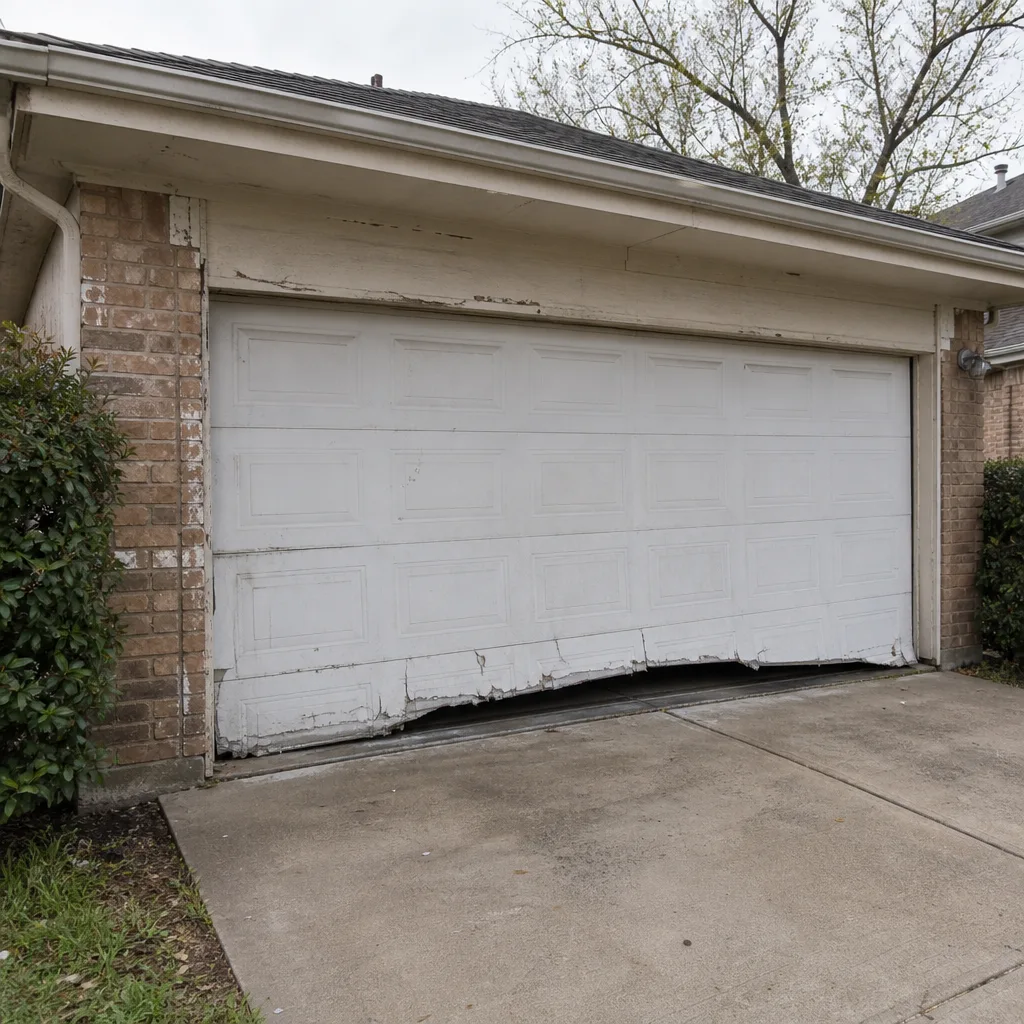 Before
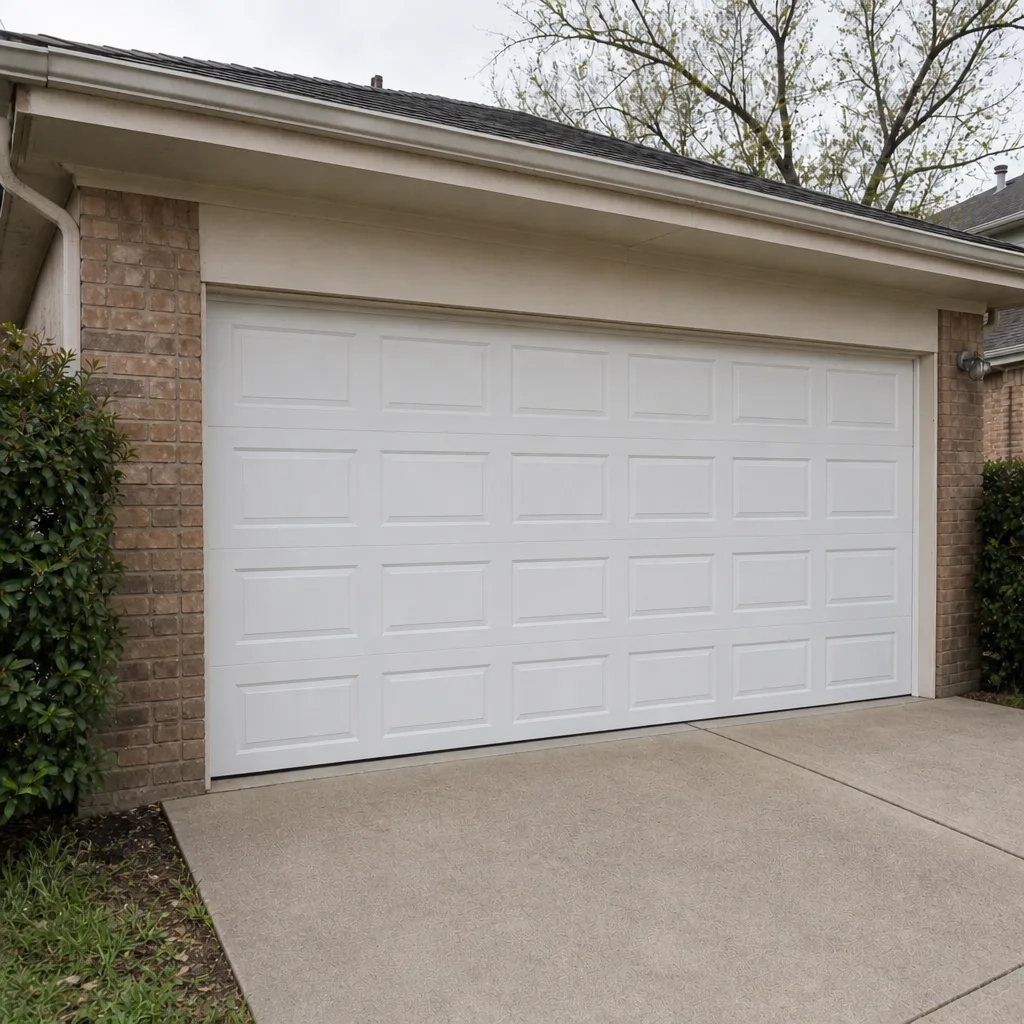 After
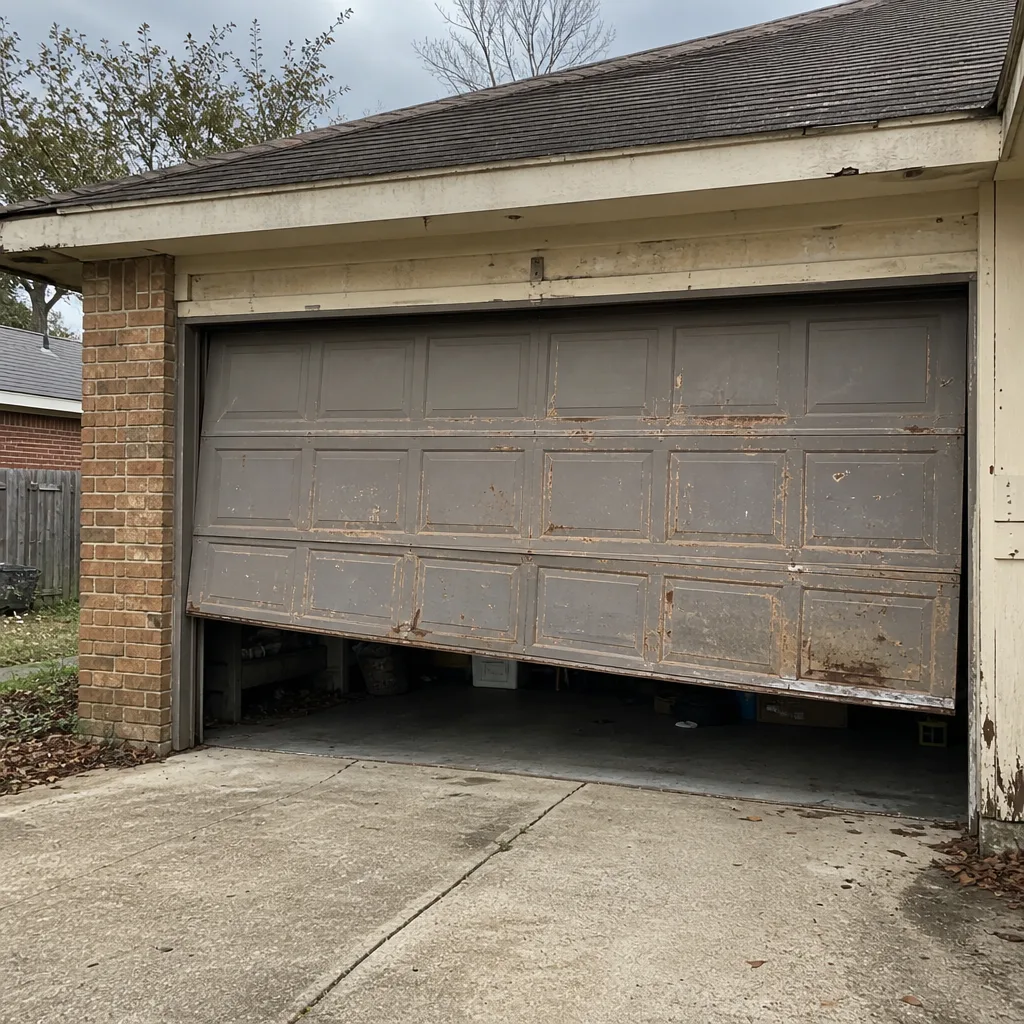 Before
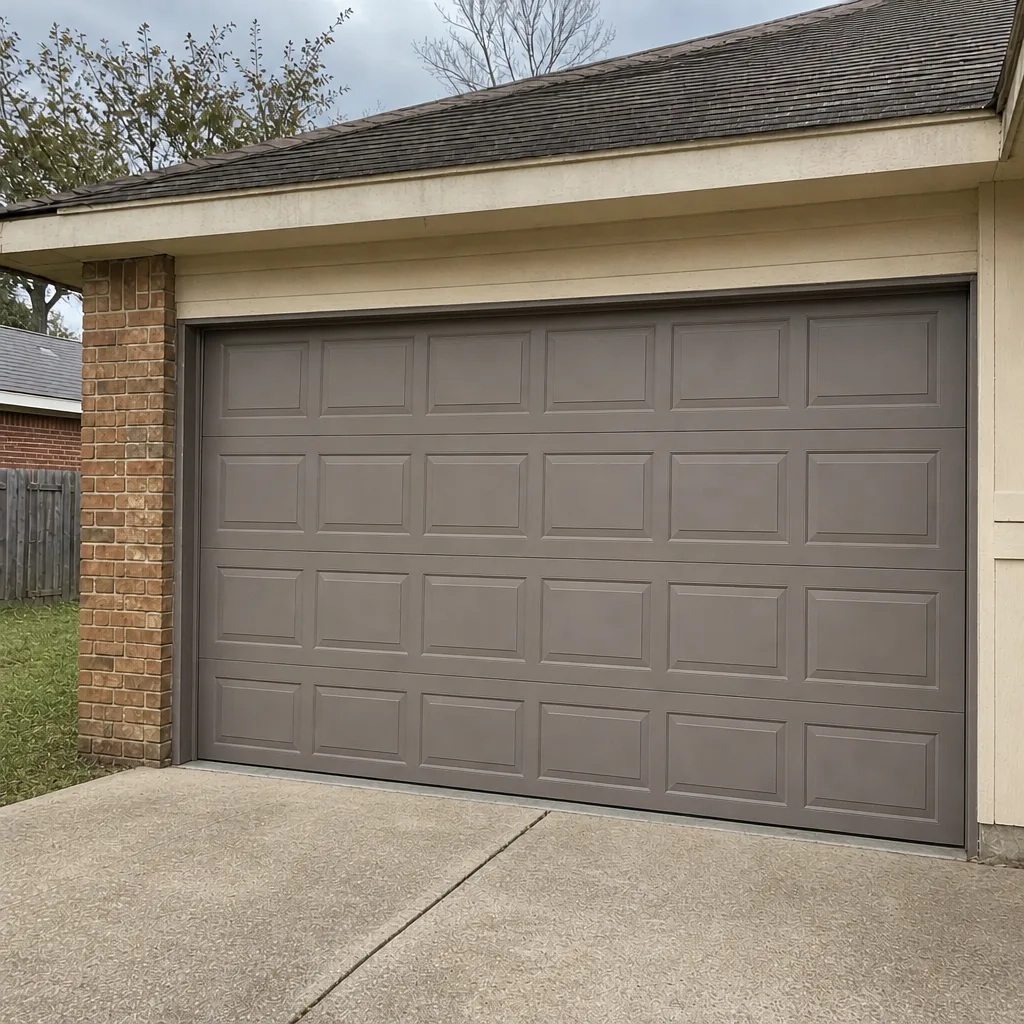 After
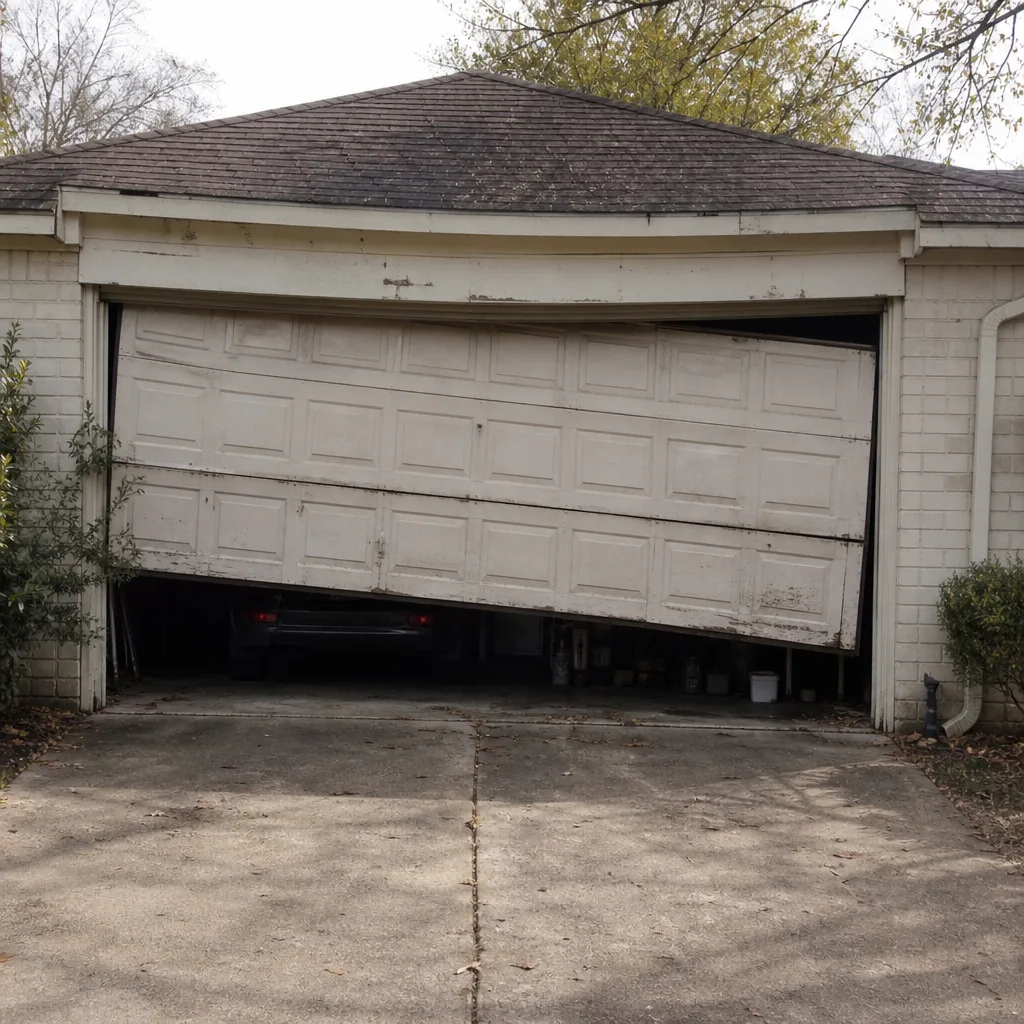 Before
 After