
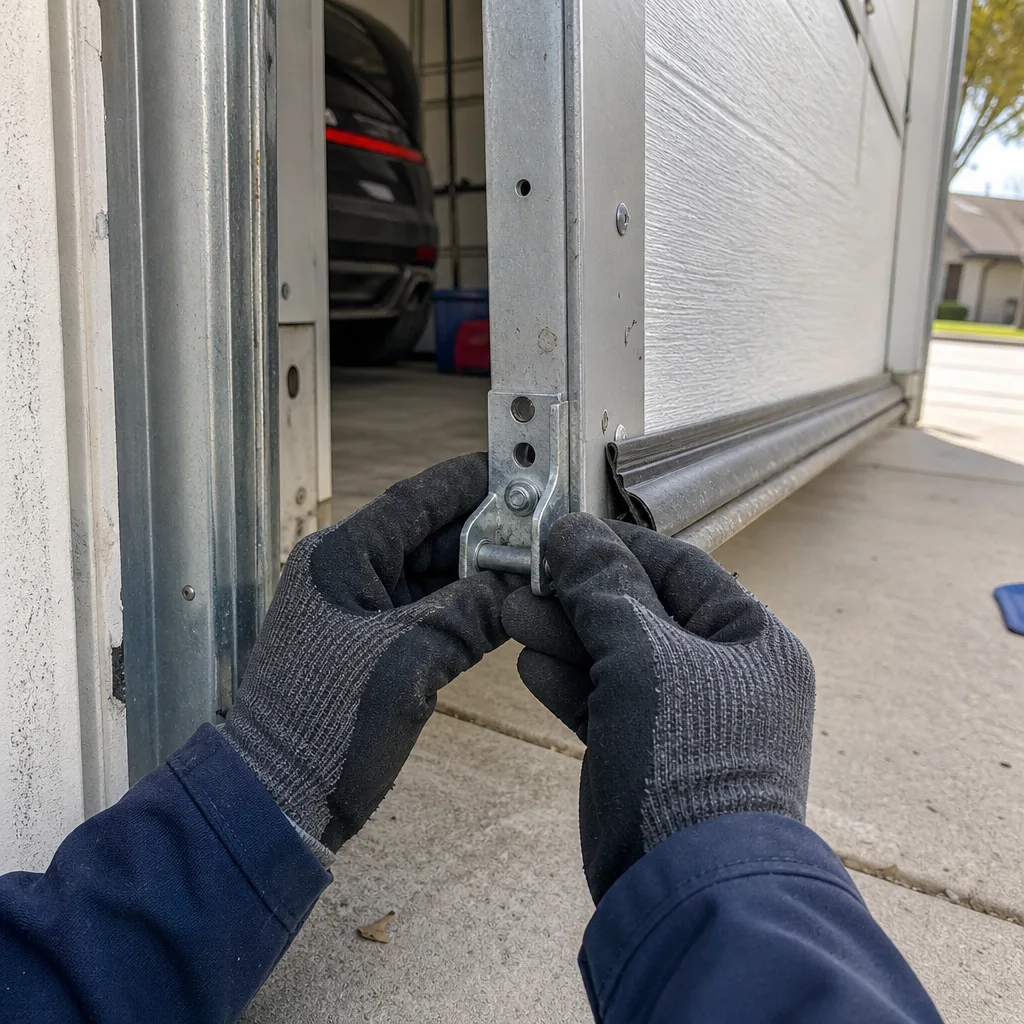
Last updated November 20, 2026
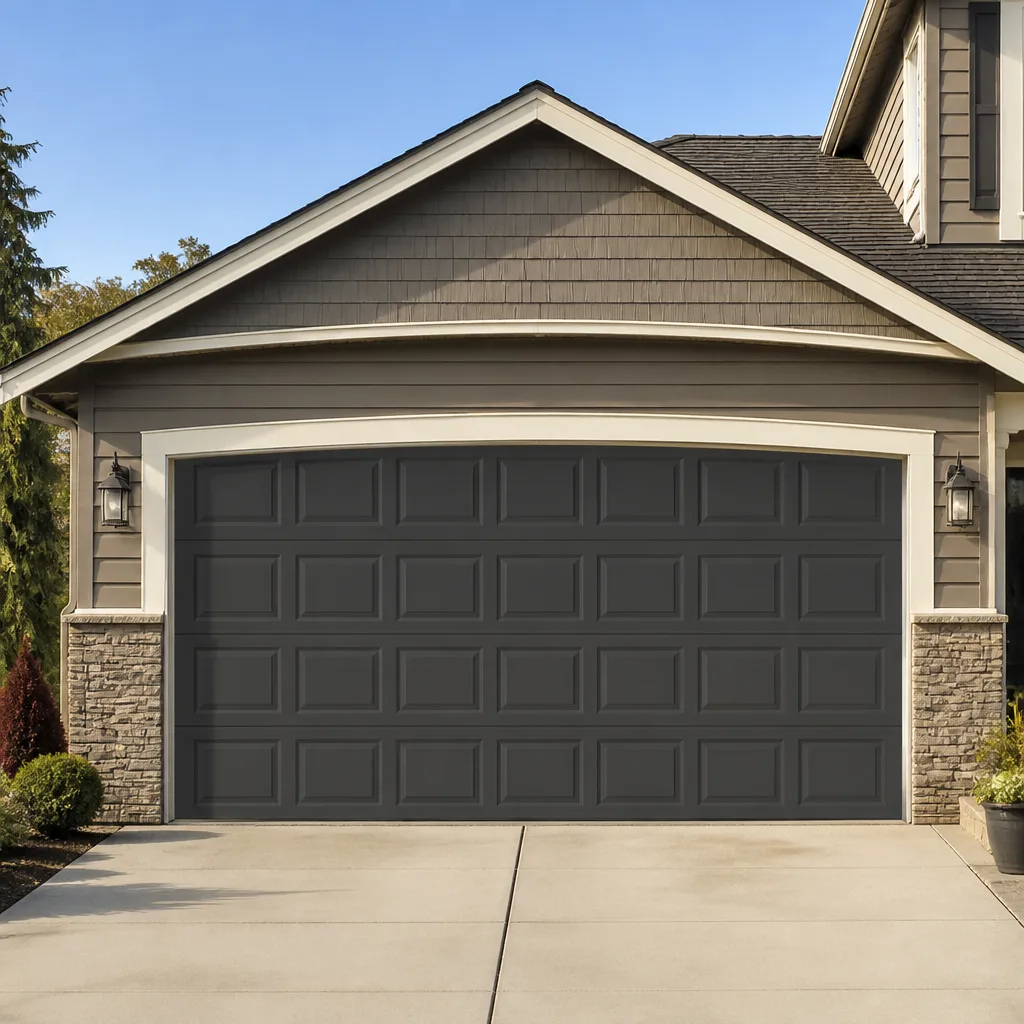 Raised-panel steel
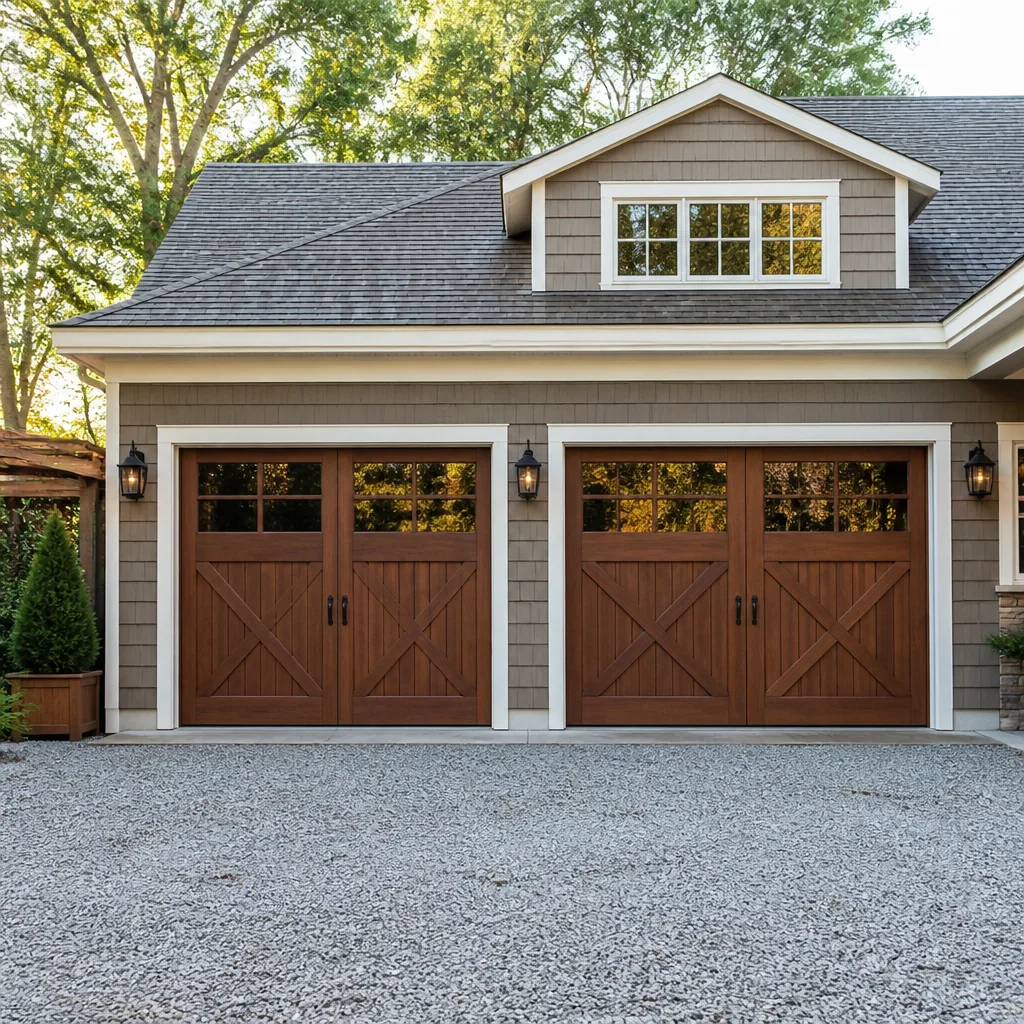 Carriage house
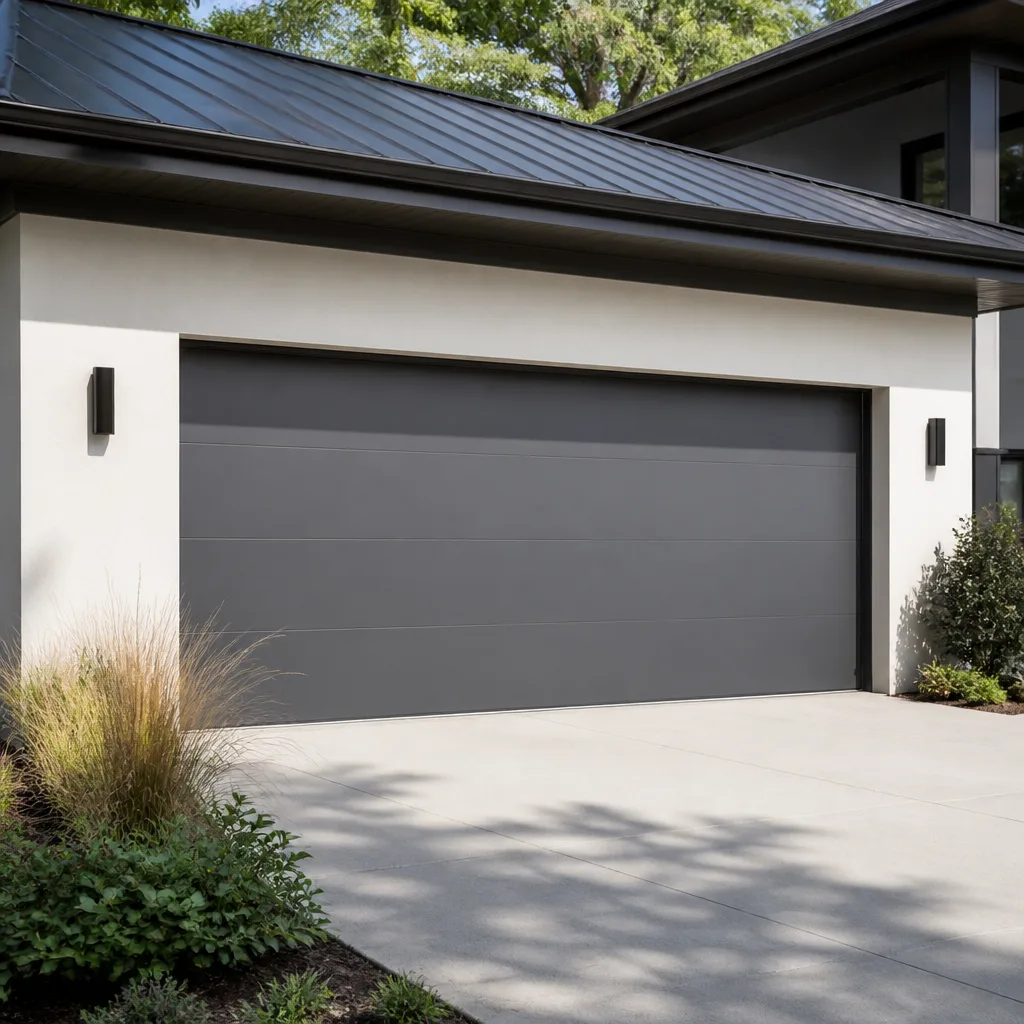 Modern flush
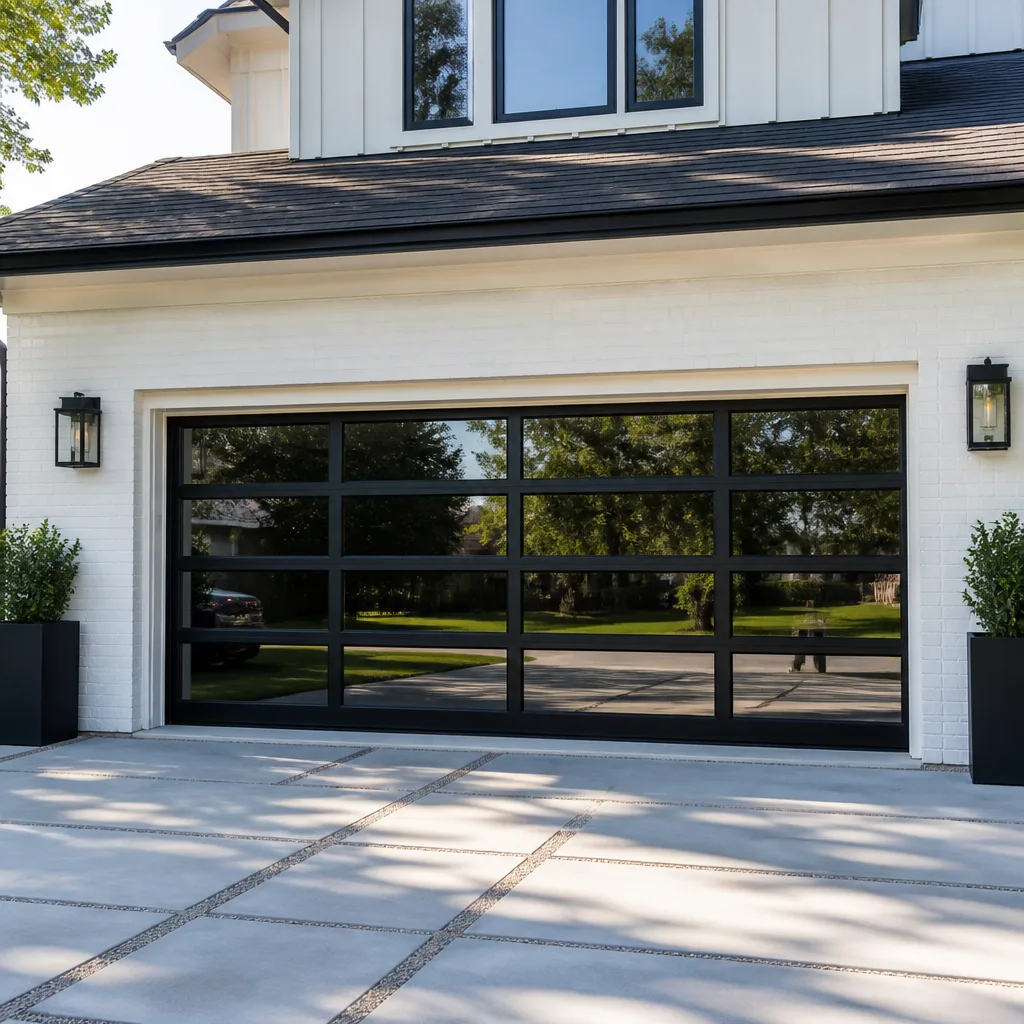 Full-view glass
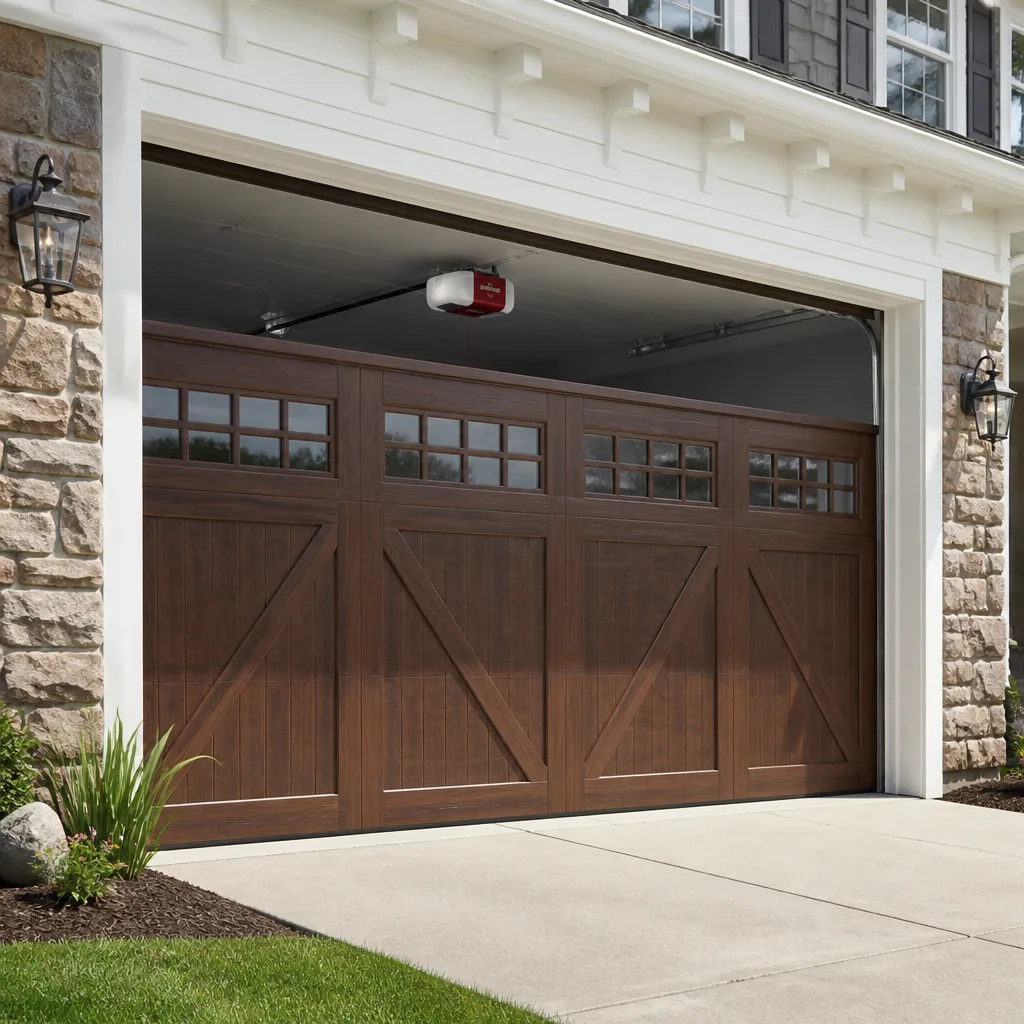 LiftMaster openers
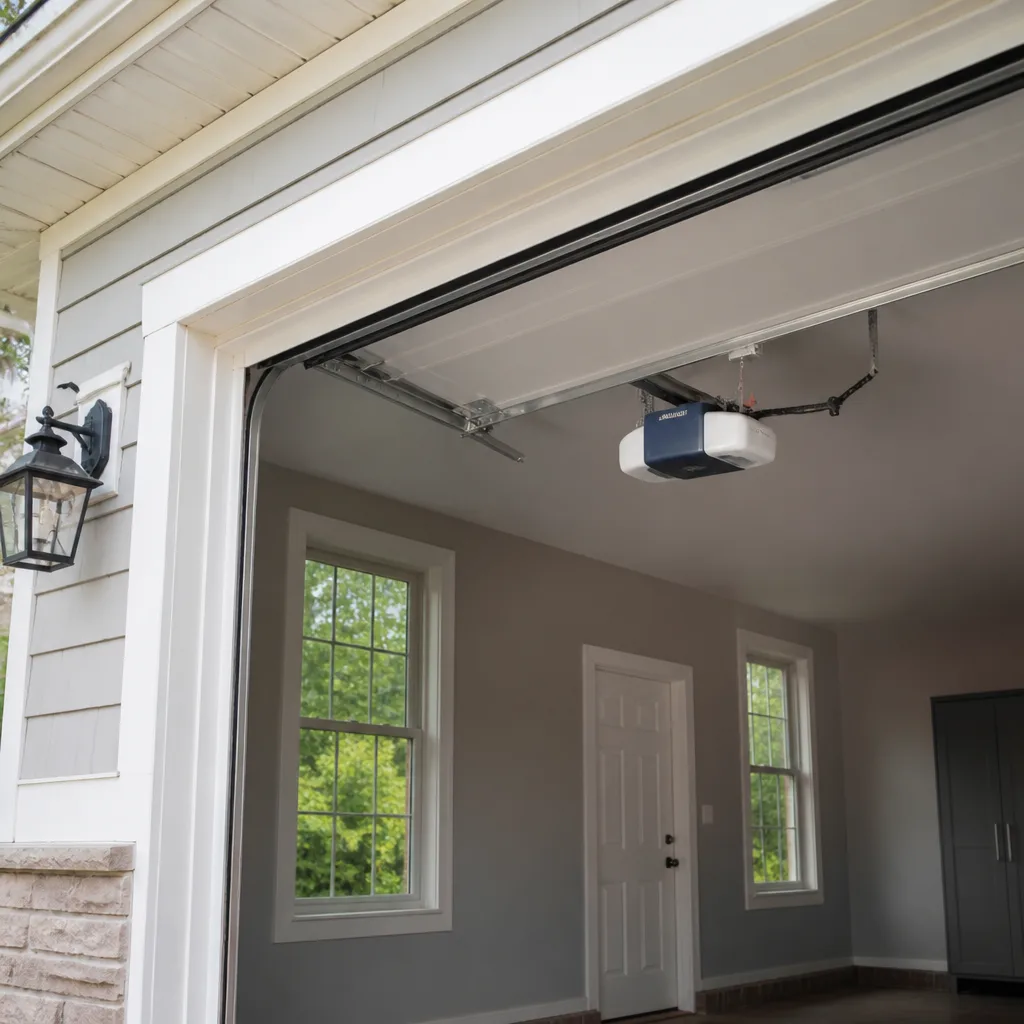 Chamberlain openers
Full 25-point door and opener safety check with every visit - springs, cables, rollers, tracks, and your LiftMaster or Chamberlain opener included
You get a price before we start. It does not change when the pro arrives.
Get your free estimateSeasonal Garage Door Care for Westchase: Year-Round Homeowner’s Guide
Most seasonal garage door guides floating around online were written for a climate with four distinct seasons: a wet spring, a hot summer, a leaf-drop fall, and a hard, snowy winter. Westchase doesn’t work that way. Our year really splits into two long stretches: the humid, punishing summer that runs for most of the calendar, and the short, sharp cold snaps that show up without much warning in December and January. That rhythm breaks garage door components in a different order than a northern guide describes, and the upkeep calendar looks different too. In this guide we’ll walk through what actually fails here, which maintenance tasks matter in which month, the products and checks that hold up above 90°F, and when a job should be handed to a specialist instead of tackled on your own.
Quick Answer
Seasonal garage door care in Westchase comes down to two anchor points: a pre-summer tune-up before the heat and humidity settle in for months, and a winter-readiness check before the first freeze risk of the season. Between those, a light monthly inspection of the safety photo-eyes, rollers, and door balance catches most small problems early, and a post-storm check of track alignment after hurricane season passes closes out the year. Springs, cables, and opener internals are professional-only territory, so the homeowner tasks are inspection and lubrication, not repair.
Styles & brands we work with
- Raised-panel steel
- Carriage house
- Modern flush
- Full-view glass
- LiftMaster openers
- Chamberlain openers
Table of Contents
- Why Westchase Climate Breaks Garage Doors Differently
- Pre-Summer Prep: Lubricants and Photo-Eyes That Hold Up Above 90°F
- What Humidity Does to Springs, Cables, and Rollers Between April and October
- Winter Readiness for Westchase: When a Freeze Snaps Parts Already Stressed by Heat
- Post-Storm Inspection Protocol After Hurricane Season
- The Westchase Year-Round Garage Door Timeline
- Monthly Checks Any Homeowner Can Do
- What Stays in Homeowner Territory and What Doesn’t
Why Westchase Climate Breaks Garage Doors Differently
Westchase sits in a pocket of the Texas Gulf Coast climate that runs hot and humid for the bulk of the year, with a short, unpredictable cold season layered on top. That combo stresses garage door hardware in a sequence most seasonal guides never describe. In a northern climate, the dominant stressor is deep winter: the door gets one long, cold working season, then a mild recovery in summer. Here the door is under heat and humidity pressure for eight or nine months, then gets hit by a brief cold shock when the first real freeze rolls through Westchase.
What that means for components:
- Torsion springs cycle in heat most of the year, which is the opposite of the northern pattern where cold is the main spring stressor.
- Lubricants chosen for a cool climate thin out above 90°F and stop protecting metal-on-metal contact.
- Weatherstripping and bottom seals cure and stiffen under UV exposure, then crack when a cold snap hits.
- Photo-eye sensors and opener circuits ride through months of heat expansion, and only misbehave once a cold morning contracts the housing.
- Track and panel fasteners back out slowly from vibration and heat cycling, which is why post-storm alignment checks matter here.
Westchase neighborhoods like the ones around Westchase Golf Club and the residential pockets off Linebaugh see the same pattern block by block. The door that failed in your neighbor’s driveway in February probably wasn’t a winter failure; it was a summer-stressed component that the cold finally finished off. Understanding that sequence is the whole point of a Westchase-specific seasonal calendar.
Pre-Summer Prep: Lubricants and Photo-Eyes That Hold Up Above 90°F
The pre-summer tune-up is the most important garage door maintenance task on the Westchase calendar, and it should happen in April or early May, before the heat and humidity settle in for the long stretch. The two priorities are the right lubricant and a proper photo-eye alignment check.
Choosing a Lubricant for a Hot Garage
Most spray lubricants sold at the hardware store are light oils suspended in a solvent carrier. They work fine in a mild climate and fail in ours. Above 90°F they thin out, run off the metal, and stop doing their job within a few weeks. The garage in a Westchase home often hits 100°F or more in the afternoon, so a lubricant with a high drop point and a sticky body holds up better.
What to look for:
- White lithium grease in a spray can, which stays put on hinges and rollers better than light oil in heat.
- Silicone-based lubricant for the weatherstripping and bottom seal, since it doesn’t attract grit and won’t degrade the rubber.
- Avoid WD-40 or generic penetrating oil as a roller lubricant; it’s a solvent, not a long-term lubricant, and it washes out grease rather than adding it.
- Never put grease on the track itself; the track should stay clean and dry, and grease in a hot garage just collects dust into a sticky mess.
Photo-Eye Alignment Before the Heat Peak
Safety photo-eyes are the small sensors on either side of the door opening that stop and reverse the door if something crosses the beam. In a Westchase garage they see a huge thermal swing across the day, and heat expansion can knock one out of alignment by a few degrees, which is enough to cause intermittent failures. Before summer, clean both lenses, check that the indicator light on the receiving eye is solid (not flickering), and look for anything that could obstruct the beam, including a spider web or a box set too close to the door.
If a photo-eye is dodgy, the opener may refuse to close the door or reverse it for no visible reason. That’s a safety feature, not a defect. For persistent sensor problems, a garage door opener repair visit is the correct next step rather than living with an intermittent door.
What Humidity Does to Springs, Cables, and Rollers Between April and October
Sustained Gulf Coast humidity changes how fast metal components in a garage door system degrade, and the way it manifests is subtly different from what you’d see in a dry climate. The torsion spring is the center of this discussion in any market, but in Westchase the humidity story is about the spring coating and the cable hardware that lives next to it.
Most torsion springs come from the factory with a coating or paint finish intended to slow corrosion. In a high-humidity garage, that coating is under continuous load for months. It develops micro-cracking at the coil where the metal flexes on every door cycle, and once a crack opens, moisture reaches the bare steel underneath. The result is surface corrosion that looks minor from the outside and accelerates quickly once started. Garage doors in Westchase often see this faster than the door manufacturer’s maintenance guidance would suggest.
What to inspect between April and October:
- Spring coating – look for chalky white or rust-colored patches on the coil, especially near the center bearing plate.
- Cable ends – check where the cable wraps around the drum at the top and where it attaches at the bottom corner bracket; that’s where corrosion starts on the cable terminations.
- Roller stems – the pivot points on nylon and steel rollers collect humidity-driven grit; wipe them clean and re-lubricate with white lithium grease once during the summer stretch.
- Hinges – a drop of lubricant on each hinge pivot at the start of summer and again in September keeps squeaks from becoming metal fatigue.
Cable inspection is a look-only task. Cables are under extreme tension and are the second most dangerous component in a garage door system after the springs. If you see fraying, kinks, or rust bleed at a cable termination, stop using the door and call for garage door repair. This isn’t something to adjust on your own.
Winter Readiness for Westchase: When a Freeze Snaps Parts Already Stressed by Heat
Westchase doesn’t see the long, deep freezes a northern climate does, but the rare freeze event here is more damaging than the same temperature would be up north, because the door system arrived at that freeze already stressed from eight months of heat. The cold snap doesn’t create a new problem; it finishes off a weakened component.
Three things go wrong in the first cold snap of the season:
- Lubricant thickens. A grease that was slippery all summer turns gummy at 30°F, adding drag on the rollers and forcing the opener to work harder. In a system with a marginal spring, that extra drag is the difference between finishing the cycle and grinding to a stop.
- Weatherstripping stiffens. The bottom seal and perimeter weatherstripping that flexed easily in August can crack or tear on the first cold cycle, especially if UV exposure has already cured the rubber. A torn seal lets in water, pest, and heat, and the door becomes noticeably harder to seal at the bottom.
- Sensors false-trip. Photo-eye housings and opener circuit boards that ran hot all summer can contract just enough in a cold snap to break a marginal solder joint or shift a sensor’s aim. The door that ran fine in October suddenly reverses halfway down in December.
The winter-readiness task list for Westchase is short: re-lubricate the rollers and hinges with a winter-stable grease before the first cold forecast, run the door through a full cycle several times on a cool morning and watch for hesitation, clean and check photo-eye aim, and inspect the bottom seal for cracks. If your door uses a LiftMaster or Chamberlain opener with a battery backup, cold weather is also the time to confirm the battery is healthy, since those systems rely on it during power outages.
Reading the First Freeze Signal
When the forecast shows the first freeze of the season, run the door manually once (with the opener disengaged) to feel for binding or heavy spots. A door that moves easily in October but shows resistance in December is telling you a component is on the way out. It’s also the exact point where a professional inspection saves a failure. The same freeze that thickens a marginal lubricant will snap a spring that’s been weakened by the summer corrosion discussed above.
Post-Storm Inspection Protocol After Hurricane Season
The stretch from June through November is when Westchase sees its strongest storms, and the garage door is one of the first building components to show damage afterward. The two things to check once the storm has passed are track alignment and panel seal integrity, and both are quick to inspect and important to catch early.
Track Alignment Check
Wind pressure and debris strike can shift a track out of plumb by a small amount that doesn’t look like much but causes the door to bind. A simple alignment check:
- Stand inside the garage with the door closed and look up each vertical track. The two tracks should be parallel and evenly spaced from top to bottom.
- Check the horizontal tracks on both sides. They should be level, and the curve where the vertical meets the horizontal should be smooth, not kinked.
- Open and close the door once. Listen for a thump, scrape, or grind; any of those point to a track or roller problem.
- Look at the panels from outside. A panel that’s shifted sideways or shows daylight at a seam has moved on its hinges.
If a vertical track is clearly bent or out of plumb, don’t force the door with the opener. Stop and call a specialist. Straightening a track that carries a 100+ pound door under spring tension is not a homeowner job.
Panel and Seal Integrity
Storm-driven wind and debris can crack a panel, separate the bottom seal from the door, or push water into the garage along the bottom edge. Check each panel from the outside for cracks, especially at the hinge mounting points. Run a hand along the bottom seal to feel for tears or separation. If a Clopay or Amarr panel is cracked, the panel can often be replaced without replacing the whole door, which matters for matching the look of a Westchase home’s exterior. The perimeter weatherstripping on the frame is a cheap replacement and worth doing after a storm if it looks compressed or torn.
If the storm has damaged the door beyond simple adjustments, a proper garage door installation may be more economical than repeated repairs. Free estimates are available in Westchase to help you decide.
The Westchase Year-Round Garage Door Timeline
Here’s the maintenance calendar we recommend for a Westchase home, mapped to the actual local climate rather than a generic northern schedule. If you do nothing else, hit the April and November checkpoints. Those two anchor points protect the door through the two stress seasons that do the most damage here.
- January: If a freeze has already hit, run the door slow-cycle check for binding and re-lubricate if the grease feels stiff. Confirm openers with battery backup have a charged battery.
- February to March: Quiet season. Wipe down the photo-eyes, clear any debris from the tracks, and note any noises that emerged over winter. This is the best window to schedule non-urgent repairs before summer demand rises.
- April: Pre-summer tune-up. Swap summer-stable lubricant onto the rollers, hinges, and spring ends. Clean and align photo-eyes. Check the bottom seal for UV cracking. This is the single most important maintenance task on the calendar.
- May to September: Monthly inspections. Look at the spring coil and cable terminations for early corrosion, listen for new noises, and clear the tracks of grit. In a Westchase garage, this stretch is when humidity does the quiet damage.
- June to November: Storm-season watch. After any major storm, run the post-storm inspection on tracks, panels, and seals before using the door normally.
- October: Pre-winter check. Look at the seal for hardening and test the door’s balance by disengaging the opener and lifting it halfway; it should stay put without drifting.
- November: Winter-readiness pass. Re-lubricate with a cold-stable grease, verify photo-eye alignment, and check the bottom seal. If a spring looks corroded, get it inspected before the first cold snap.
- December: If the first freeze arrives, follow the freeze-day routine: slow-cycle once, log any hesitation, and call a specialist if the door is stiff or noisy.
Westchase neighborhoods near the Westchase District and the streets off Westheimer see the same climate rhythm, so the same calendar applies. Homes with an older Raynor or Craftsman opener may want the November check double-confirmed, since legacy openers are less likely to have the cold-weather backup features of newer units.
Monthly Checks Any Homeowner Can Do
Five minutes a month catches most emerging problems before they become a repair. None of these tasks involve disassembly or working near a spring or cable.
- Balance test: disengage the opener, lift the door halfway by hand, and let go. It should stay in place. A door that drifts down on its own means the spring tension has changed and a professional needs to look at it.
- Photo-eye test: with the door open, wave an object across the sensor path. The door should not close. If it does, or if the door reverses for no visible reason, the sensors need attention.
- Reverse test: place a small object under the door and run the close cycle. The door should reverse on contact with the object. This is the second line of safety after the photo-eyes.
- Visual roller check: look at each roller for flat spots, chips, or wobble. Nylon rollers last longer than steel, but neither should rattle.
- Audible check: open and close the door once with the garage quiet. New squeaks, thumps, or rattles are your early warning system.
- Seal check: run a hand along the bottom seal and the perimeter weatherstripping. Cracks, tears, or hardening mean replacement.
What Stays in Homeowner Territory and What Doesn’t
Most garage door injuries happen on the spring and cable systems, and the reason is simple: those components store enormous energy under tension, and releasing that energy without the correct knowledge and tools causes serious injury. For a homeowner, the line between “safe to inspect” and “call a pro” is clear, and the maintenance calendar above stays on the safe side of it.
Safe for a homeowner:
- Monthly balance, photo-eye, and reverse tests.
- Lubricating rollers, hinges, and spring ends (with the door closed and openers off).
- Cleaning the tracks with a dry cloth and checking for debris.
- Replacing the bottom seal or perimeter weatherstripping if the task doesn’t require removing a panel.
- Visual inspection of springs, cables, and panels without touching them.
Professional-only:
- Any work on torsion or extension springs, including adjustment.
- Any work on cables or drums.
- Track realignment when a track is bent or out of plumb.
- Panel replacement when the panel is under spring tension.
- Opener internal repair or board-level diagnosis.
Springs are the single most dangerous component in your garage door system and this is not a DIY repair. Even an experienced homeowner with the right tools should not attempt to release, adjust, or replace a torsion spring. The specialists we connect homeowners to in Westchase carry the training and tools for this job, and it’s the standard, not the exception, on our service list.
When a LiftMaster, Chamberlain, Genie, Craftsman, Clopay, Amarr, Wayne Dalton, or Raynor system needs diagnosis beyond a visual check, that’s a specialist call. Our technicians have up to 11 years of experience across those eight brands, and spring repair is a standard service, never subcontracted. That’s the practical difference in a market where most generalists refer the spring work out.
Common Mistakes to Avoid
- Using thin spray oil as a roller lubricant in a Westchase summer. It runs off the metal above 90°F and leaves the rollers dry by mid-June. Use white lithium grease instead, and check the rollers again in September.
- Greasing the track itself. A lubricated track in a humid garage collects dust into a sticky paste that jams the door. The track stays dry; the rollers get lubricated, not the track.
- Ignoring a minor spring squeal or paint crack. In Westchase, a slow chirp from a torsion spring is often the first sign the coating has failed and corrosion is underway. Small noises that start in summer are the ones that turn into a snap in January.
- Treating a photo-eye reversal as “opener misbehavior.” When the door reverses for no reason in a Westchase summer, the cause is almost always a sensor knocked out of alignment by heat expansion, not an opener defect. Clean and align before assuming the opener failed.
- Skipping the post-storm track check. A track that’s out of alignment by a quarter inch doesn’t look broken but causes binding within a few weeks. After hurricane season, a two-minute visual check on each track saves a bigger repair later.
- Replacing the whole door when a panel is damaged. A Clopay or Amarr panel can often be matched and replaced without a new installation, especially if the door is a common model. Get a professional opinion before assuming full replacement is needed.
- Adjusting spring tension to “make the door easier.” This is the mistake that causes the most serious injuries. Spring tension is set to a specific value for the door’s weight, and changing it invalidates the safety margin. It’s a specialist-only adjustment, always.
See the difference
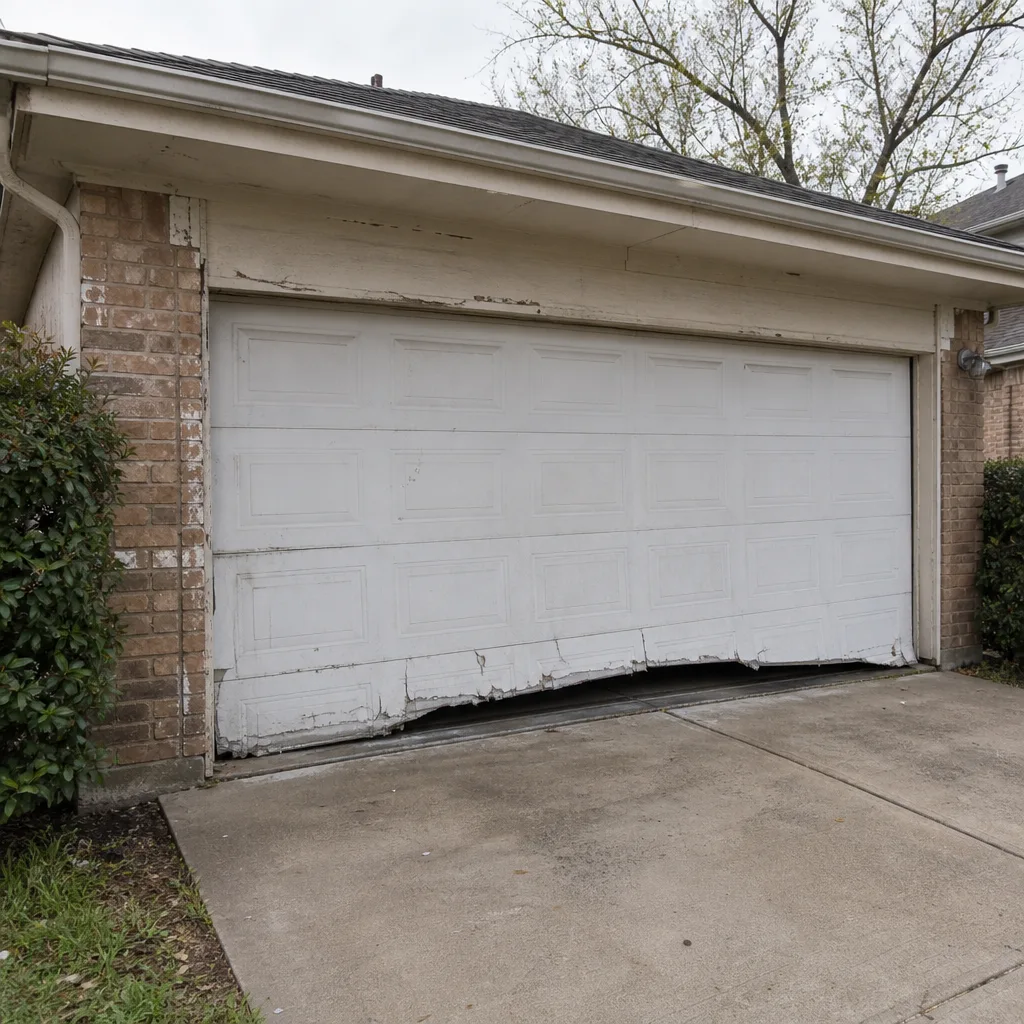 Before
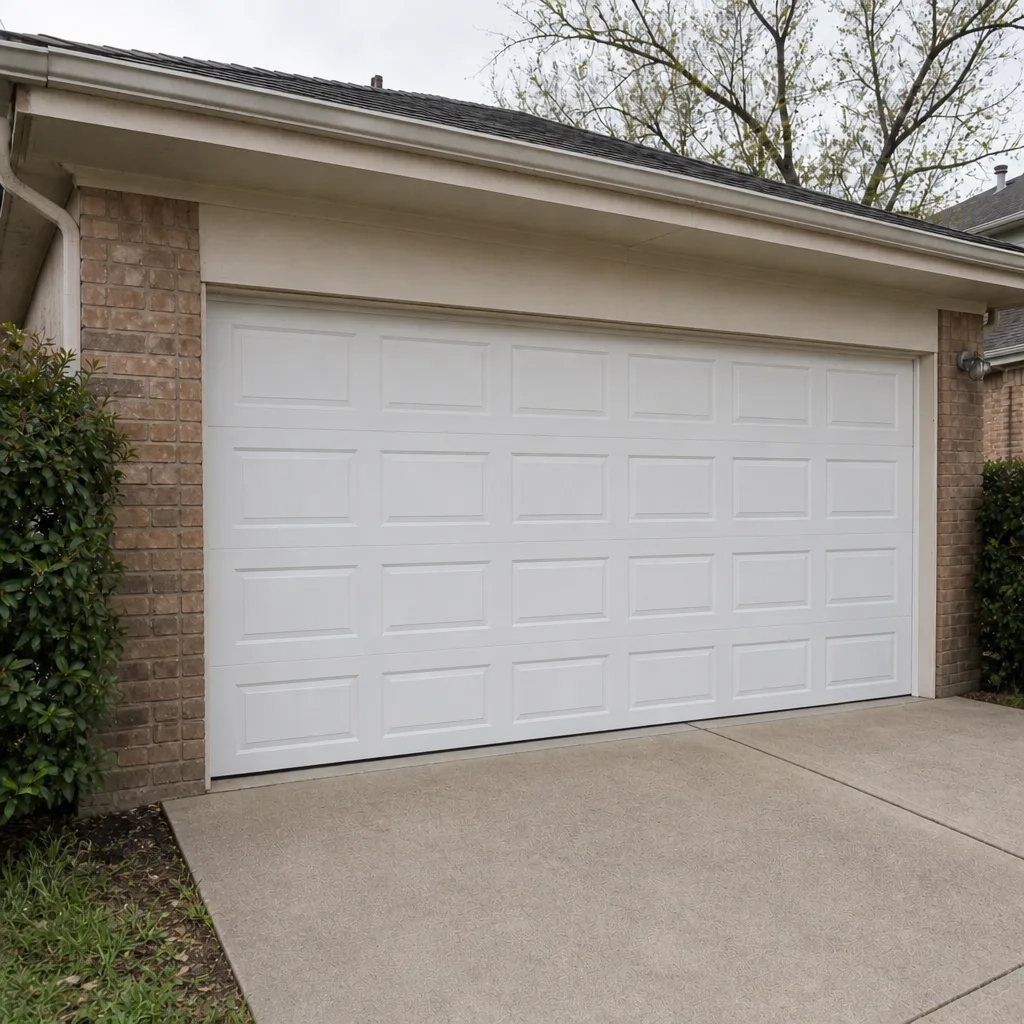 After
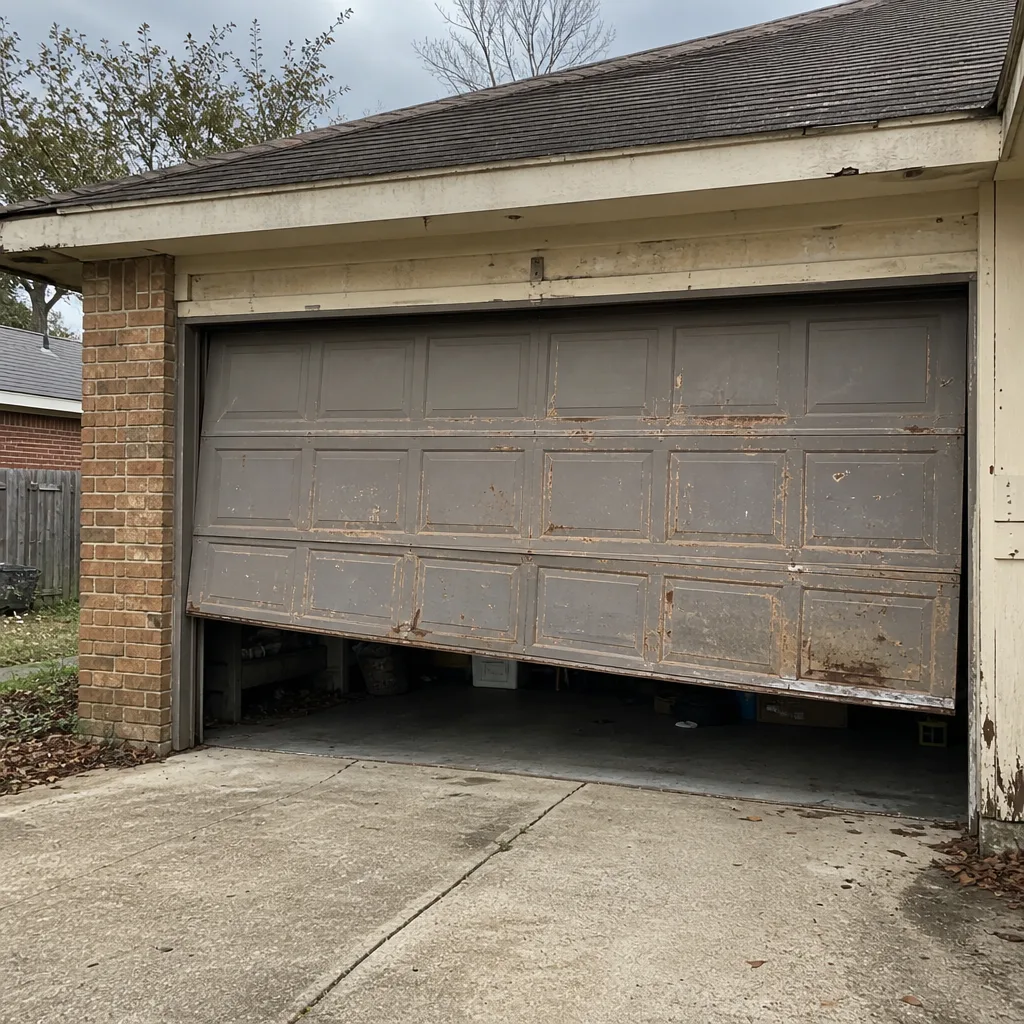 Before
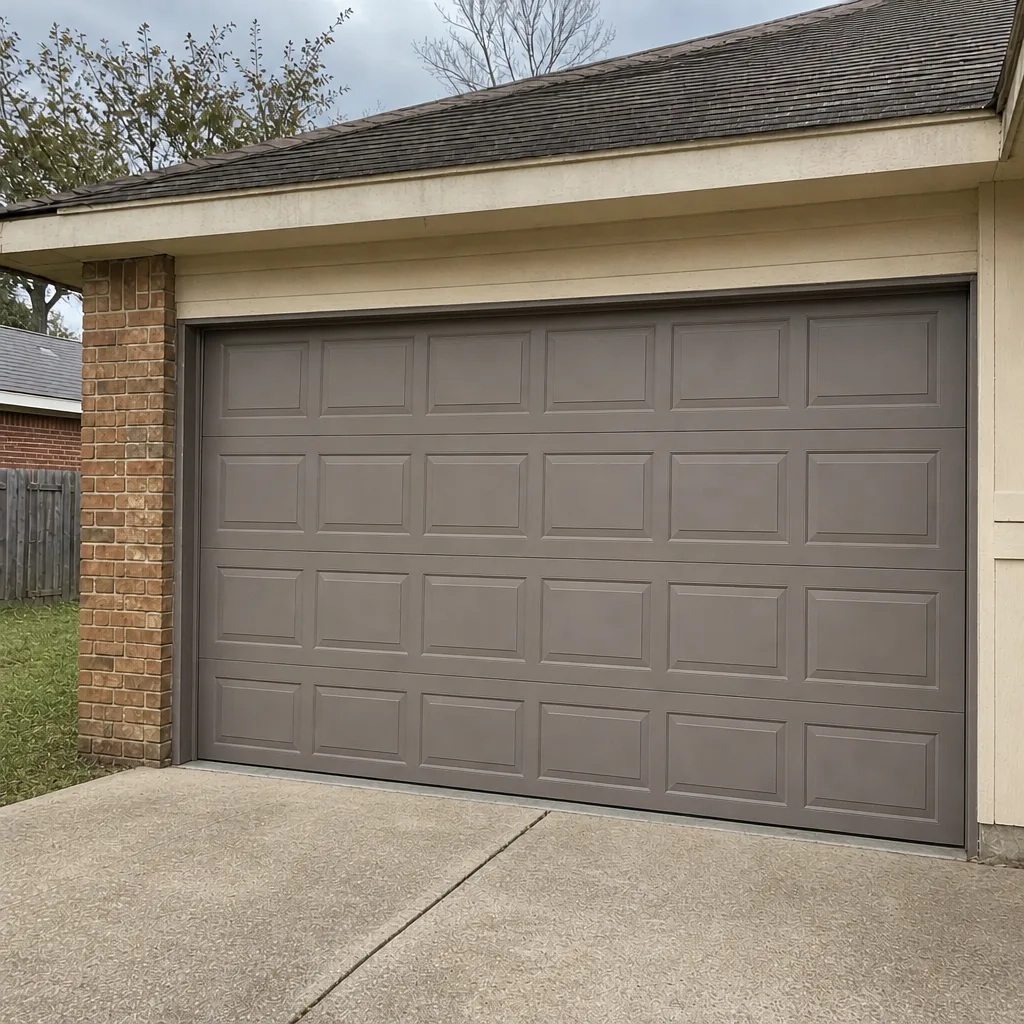 After
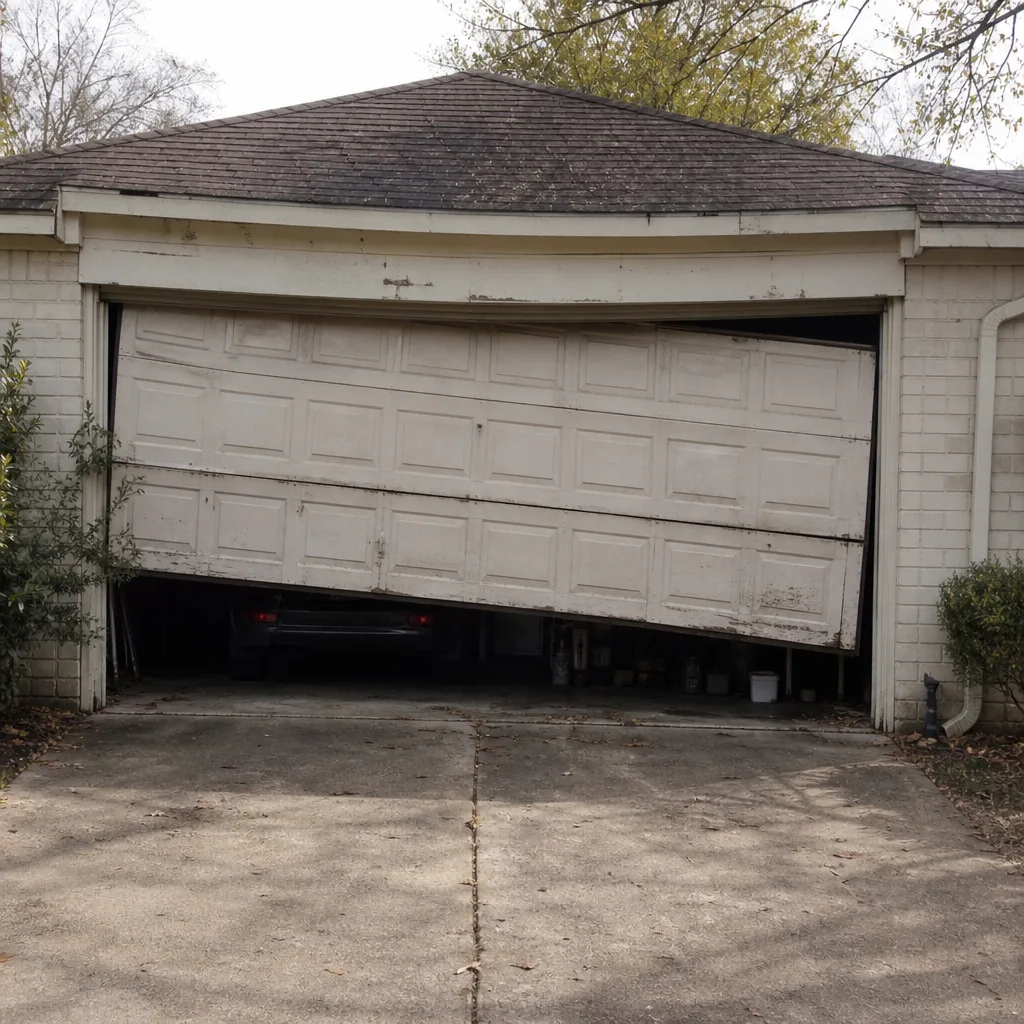 Before
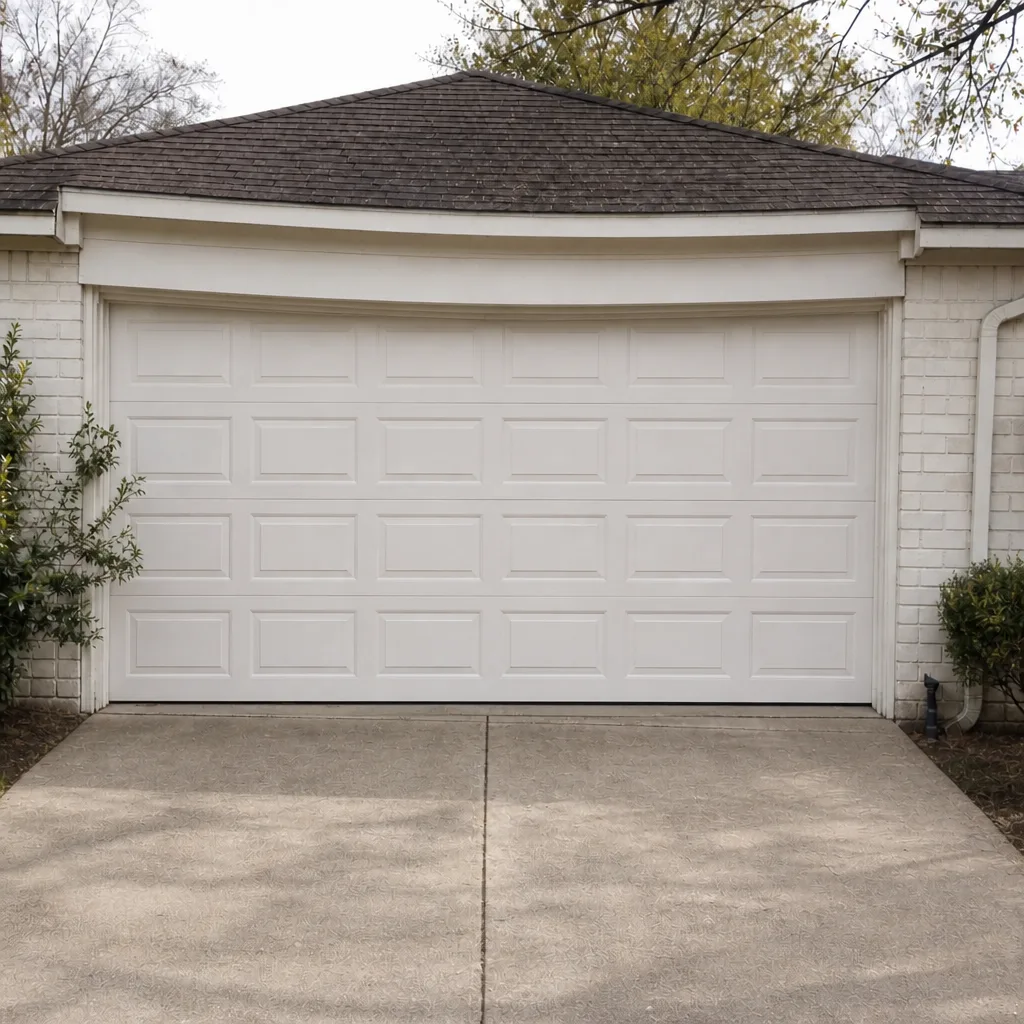 After
When to Call a Professional
Call a specialist when a torsion or extension spring snaps, when a cable frays or comes off the drum, when the door drifts down after the balance test, when a panel is visibly bent or cracked, or when the opener reverses or refuses to close for reasons that photo-eye cleaning doesn’t fix. Also call if a track is bent after a storm, if the door is noticeably harder to lift than it was last season, or if you hear a new grinding noise. Westchase Garage Door Repair offers free estimates in Westchase. Call (866) 690-3896. We answer 24/7. Fast dispatch from 7am to 7pm, Sunday through Friday, and the price is quoted and agreed before any work starts. For the full range of what we handle, that’s the Westchase Garage Door Repair team’s core work.
Frequently Asked Questions
Twice a year is the right rhythm for a Westchase home: a pre-summer tune-up in April and a winter-readiness pass in November. The climate here stresses components in two distinct patterns, so a single annual service misses one of them. Monthly homeowner checks in between catch the small stuff before it becomes a service call.
A Westchase garage can hit 100°F or higher on a summer afternoon and drop to around or slightly below freezing on a rare winter morning. That’s a swing of more than 70°F across the year, and it’s the reason lubricants and seals recommended for a cooler climate don’t perform here. Choose products rated for the full range, not just for a mild spring.
Yes, with the right products and the door kept in a safe position. Lubricating rollers, hinges, and the ends of the torsion spring with white lithium grease is a standard homeowner task. What’s not safe is anything that involves touching a spring, cable, or drum under tension. Those are professional-only.
Garage door repair in Westchase is priced per job by a written estimate, and the estimate is free. Because the range depends on the door’s brand, age, and what actually failed, we don’t quote a number over the phone; you get an accurate figure once the door has been looked at. Call (866) 690-3896 for an exact quote.
For most stuck-door calls, yes. Same-day service is available and our fast dispatch runs from 7am to 7pm, Sunday through Friday. If you call outside those hours, we answer 24/7 and book you into the next opening. Call (866) 690-3896 to get scheduled.
We service eight of the most widely installed residential brands: LiftMaster, Chamberlain, Genie, Clopay, Amarr, Wayne Dalton, Craftsman, and Raynor. Between them, that covers virtually every residential door and opener you’ll find on a Westchase home. If your brand isn’t on that list, call and we’ll confirm coverage before you book.
Start with track alignment and panel seal integrity. Look up each vertical track for parallel alignment, check the horizontal tracks for level, and inspect every panel for cracks at the hinge points. Run your hand along the bottom seal for tears. If anything is clearly bent or torn, call a specialist rather than forcing the door with the opener.
The Bottom Line
Westchase doesn’t have four seasons; it has a long, humid stress season and a short, sharp cold season that finishes off whatever the heat started. That rhythm shapes every maintenance decision: April tune-up to protect against heat and humidity, November winter-readiness pass to handle the freeze risk, monthly homeowner checks in between, and a post-storm inspection when hurricane season ends. Lubricants matter more here than in a mild climate, photo-eyes drift out of alignment with the heat, and spring corrosion moves faster than a northern guide would suggest. Springs and cables stay professional-only, no exceptions. Get the calendar right, do the safe monthly checks, and call for the rest. Call (866) 690-3896 for a free estimate in Westchase. We answer 24/7. Fast dispatch from 7am to 7pm, Sunday through Friday.
Written by the team at Westchase Garage Door Repair.