
Last updated November 20, 2026
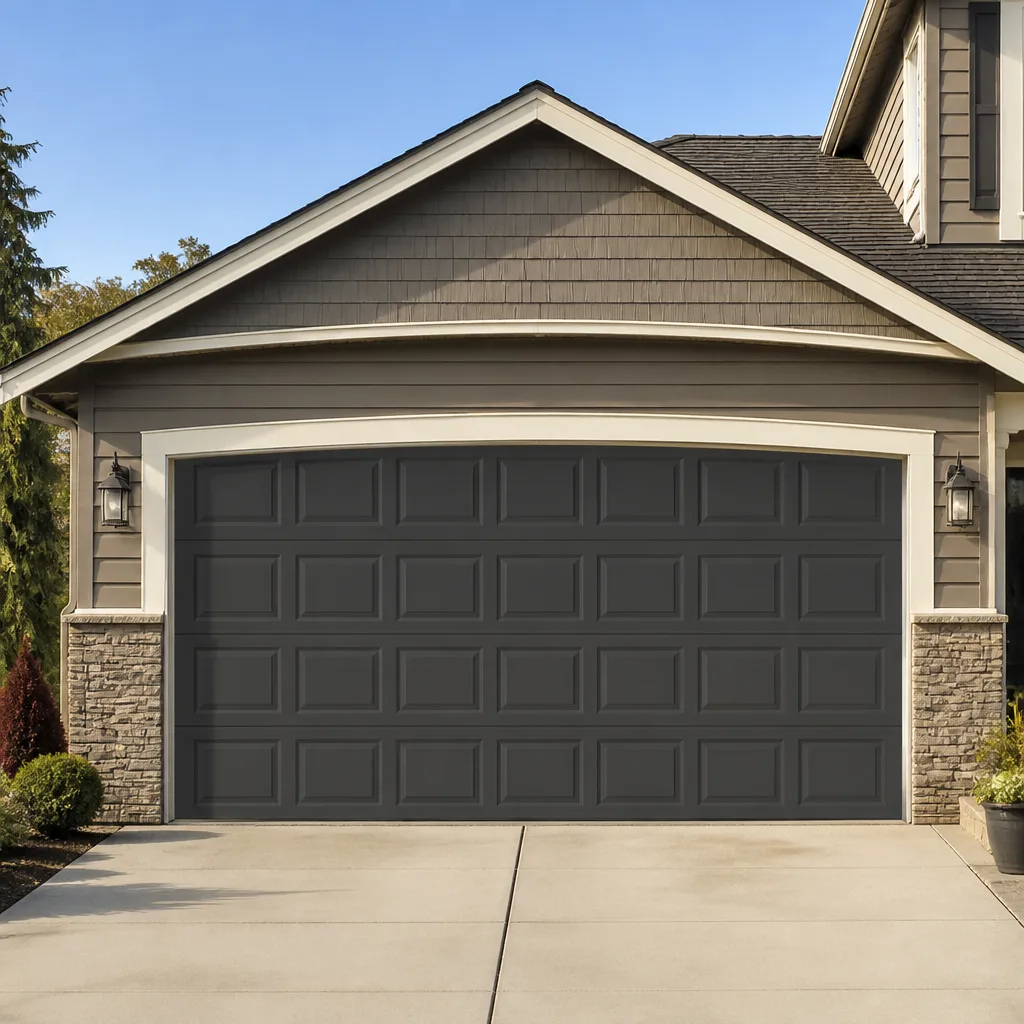 Raised-panel steel
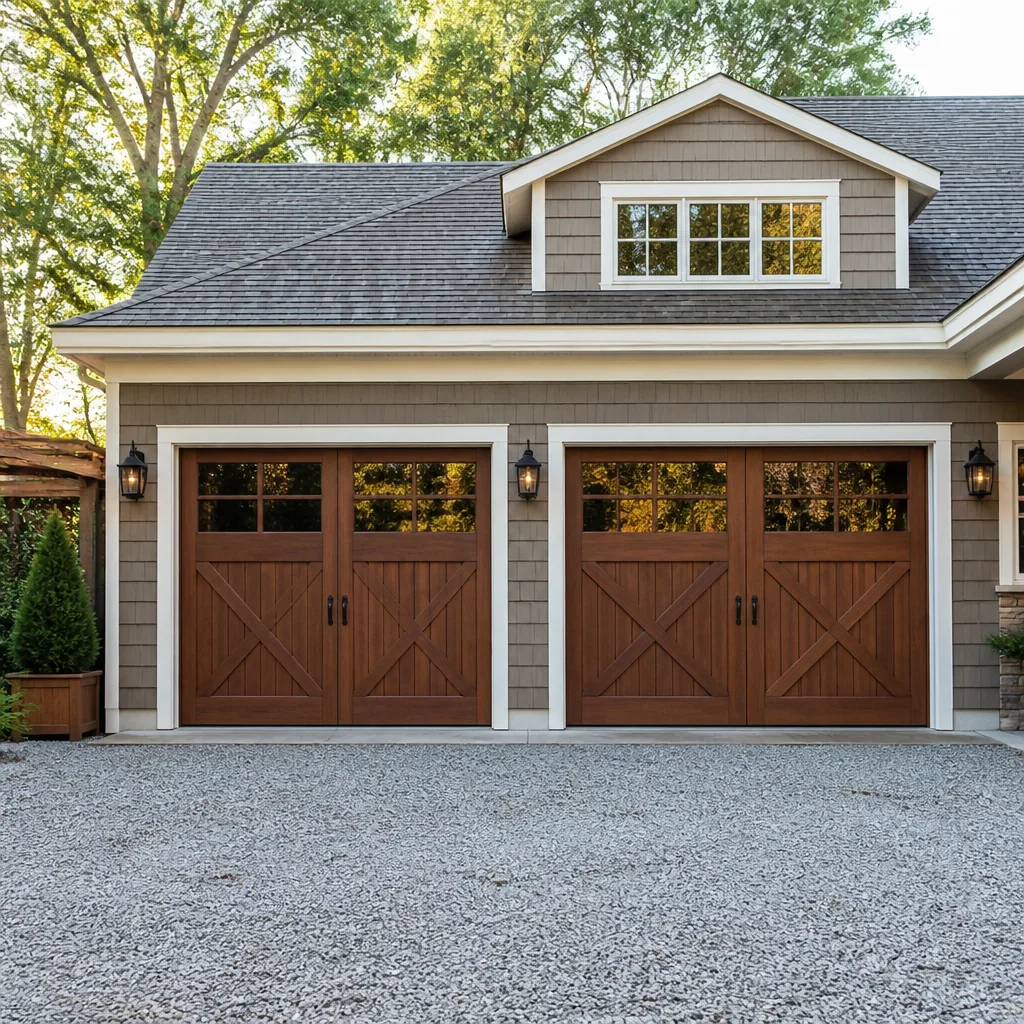 Carriage house
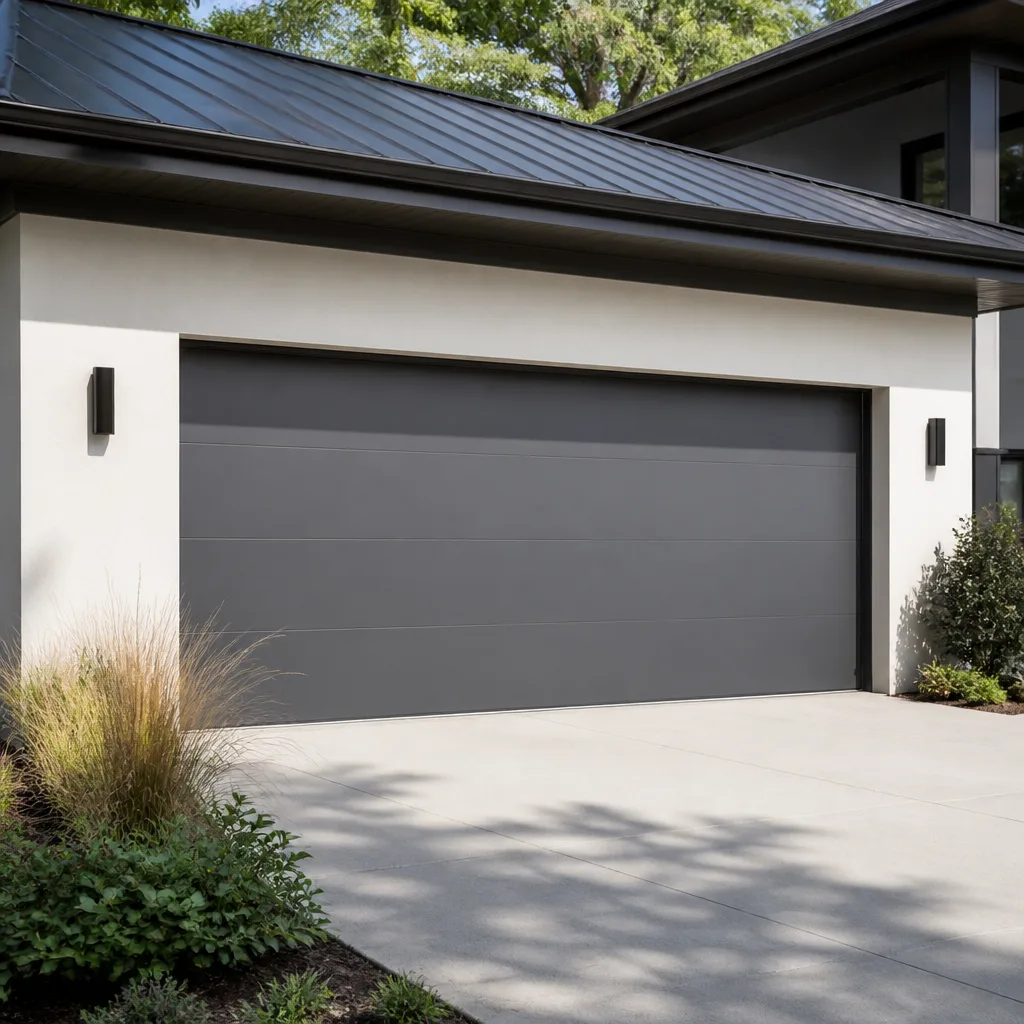 Modern flush
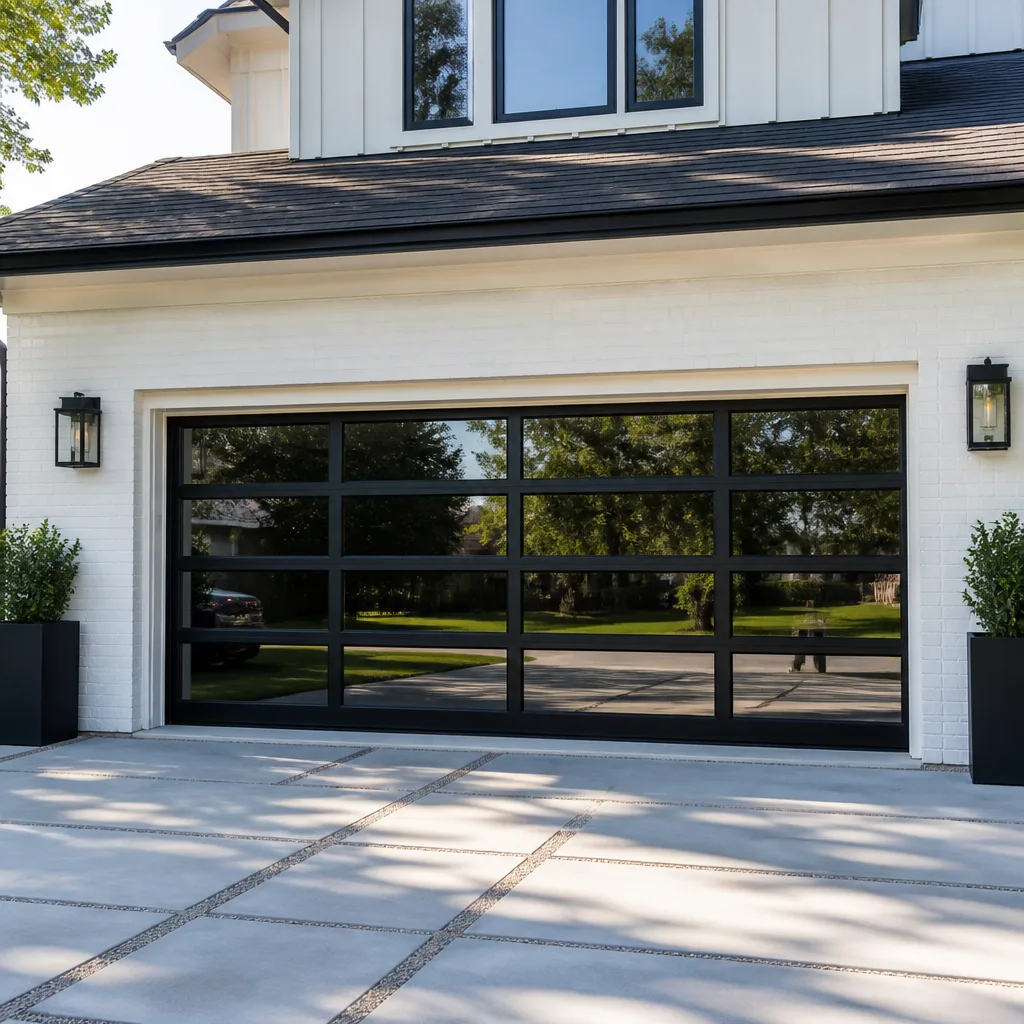 Full-view glass
 LiftMaster openers
 Chamberlain openers
Full 25-point door and opener safety check with every visit - springs, cables, rollers, tracks, and your LiftMaster or Chamberlain opener included
You get a price before we start. It does not change when the pro arrives.
Get your free estimateGarage Door Permits, Codes & Inspections in Westchase, TX: What You Need to Know
Most homeowners assume a garage door replacement is permit-free, and in plenty of Texas municipalities that’s true. But Westchase sits inside unincorporated Harris County, and that changes the paperwork picture in ways that surprise people at the worst possible moment – during a home sale or an insurance claim. A replacement that skipped the right county documentation won’t fail the day the door goes up. It surfaces years later, as an open permit violation when a buyer’s title company starts digging. In this guide we’ll walk through which authority actually governs your Westchase address, when a replacement crosses the line into permit territory, how wind load rules shape the panels and hardware you buy, and why HOA approval and code compliance are two separate hurdles you have to clear.
Quick Answer
For most Westchase, TX addresses, a like-for-like garage door replacement usually doesn’t require a building permit because the home falls under unincorporated Harris County jurisdiction rather than City of Houston rules. A permit is typically triggered when you change the size of the opening, alter the structural header, or affect fire-rated separation between the garage and the house. Wind load requirements still apply to the door and hardware regardless of permitting, and HOA architectural approval is a separate process from code compliance.
Styles & brands we work with
- Raised-panel steel
- Carriage house
- Modern flush
- Full-view glass
- LiftMaster openers
- Chamberlain openers
Table of Contents
- Harris County vs. City of Houston: Who Governs Your Westchase Address?
- When Does a Garage Door Replacement Trigger a Permit?
- Wind Load Requirements and What They Mean for Your Door
- HOA Architectural Approval vs. Code Compliance: Two Separate Processes
- What a Garage Door Inspection Actually Covers
- How an Unpermitted Replacement Affects Insurance and Home Sales
- A Step-by-Step Path Through the Process
- Choosing a Contractor Who Understands Westchase Code
Harris County vs. City of Houston: Who Governs Your Westchase Address?
This is the question that trips up more Westchase homeowners than any other, and the answer depends entirely on your street. Westchase is a large community in west Houston, and its addresses straddle a jurisdiction boundary that isn’t obvious from a mailing address. Some homes sit inside Houston city limits and fall under the City of Houston’s permitting authority. Others sit in unincorporated Harris County, where the county handles code enforcement and the city’s permitting rules don’t automatically apply.
A “Houston, TX” mailing address does not confirm you’re in the city. The US Postal Service assigns city names for delivery convenience, and it routinely labels unincorporated addresses with the nearest big city. We’ve talked with Westchase homeowners who assumed one authority governed their home for years and only discovered otherwise when a contractor pulled a permit on the wrong jurisdiction.
Here’s how to sort it out before you order a door:
- Check your property’s jurisdiction directly. Harris County and the City of Houston both publish address lookup tools. Enter your full address and note which authority returns a result.
- Call the permitting office and confirm. Ask which entity issues permits for your specific address and whether a garage door replacement requires one. Get the answer from the office that would enforce it.
- Write down who you spoke with and when. If a question comes up later during a sale or claim, a dated note of the jurisdiction confirmation saves weeks of back-and-forth.
- Check your HOA documents too. Your deed restrictions may reference a specific municipality or county, and that reference is a useful cross-check on the lookup.
For Westchase addresses in unincorporated Harris County, the practical effect is that a straight replacement often proceeds without a building permit. For Westchase addresses inside Houston city limits, expect more scrutiny, especially if the work touches anything structural. Either way, confirm before you buy. The cost of a phone call is nothing next to the cost of discovering a problem at closing.
When Does a Garage Door Replacement Trigger a Permit?
A garage door replacement triggers a permit when the work goes beyond swapping one door for another of the same size in the same opening. Size changes, structural work, and fire separation changes are the three categories that reliably cross the line. A same-size replacement using the existing track and hardware usually stays on the simple side.
Here’s the breakdown we walk Westchase homeowners through:
- Same-size replacement, same opening: Usually no permit. The door comes out, a new one goes in, the opening and header stay untouched.
- Enlarging or reducing the opening: Typically requires a permit. Cutting a wider opening means cutting the header, and the header carries load.
- Header modification or replacement: Requires a permit and, in most cases, an engineered solution. A header that’s been cut or sistered needs to be assessed against the load it carries.
- Changing door type in a way that affects fire separation: The wall between an attached garage and the living space is a fire-rated assembly in most modern construction. If your new door or its framing alters that separation, permitting and inspection come into play.
- Converting a garage to living space: A different project entirely, but one that almost always requires permits. If a door replacement is part of a conversion, treat the whole job as permitted work.
- Adding an opener circuit or new electrical: If the opener needs a new dedicated circuit, that’s electrical work with its own permitting rules. Ask the electrical contractor, not the door contractor.
We always recommend asking the authority directly rather than relying on a contractor’s general rule of thumb. Rules vary, and the specific facts of your Westchase property matter. If you’re replacing a door that’s been modified since the house was built, the original opening may no longer match the drawings on file, and that’s worth knowing before you start. Our garage door installation team can tell you what the current opening looks like structurally, but the permit decision belongs to your local building department.
Wind Load Requirements and What They Mean for Your Door
Texas building code treats garage doors as part of the building envelope, and the envelope has to resist wind. That applies to replacement doors whether or not the job requires a permit. Wind load requirements are about the door’s rated performance, its reinforcement hardware, and how it’s anchored to the structure, not about the paperwork that surrounds the job.
A garage door is the largest moving object in most homes and also one of the largest openings in the exterior wall. When wind pressure hits that wall, the door and its track take the load. A door rated for lower wind pressure, installed on a home that needs a higher rating, can bow, jump track, or fail in a storm. That’s why the rated wind speed on the door’s label matters as much as the color and the panel style.
What this means in practice for a Westchase replacement:
- Match the rating to the opening and the home. The required wind rating depends on your home’s exposure, height, and the door’s size. Your contractor should be able to tell you the rating the door was specified for and show you where that’s documented.
- Reinforcement hardware matters. A rated door needs the struts, hinges, and anchor plates that go with the rating. Swapping a rated door onto standard hardware undermines the rating.
- Track and anchor condition matter. Existing track that’s bent or anchors that are loose won’t hold a rated door in a wind event. Replacement is the time to check both.
- Keep the documentation. The door’s wind rating label and the manufacturer’s specification sheet are worth keeping with your home records. They answer questions later during a sale or an insurance review.
Brands like Clopay and Amarr publish wind load ratings for their residential doors, and the ratings vary by model and size, so the same panel style can carry different ratings depending on what you order. Wayne Dalton and Genie are common names in Westchase driveways as well, and each has its own specification documentation. We work with all of them, which means we can tell you what the rating on a specific door actually says rather than guessing from the model name. If a door’s rating is unclear, the manufacturer’s spec sheet settles it.
HOA Architectural Approval vs. Code Compliance: Two Separate Processes
HOA architectural approval and code compliance are two separate processes that both have to be satisfied, and clearing one doesn’t clear the other. Code compliance is about whether the work meets building requirements. HOA architectural approval is about whether the work meets the community’s deed restrictions on appearance. A door can be perfectly code-compliant and still get rejected by an architectural review committee because the color is wrong.
Most Westchase neighborhoods have deed restrictions and architectural review committees. If your community is one of them, the approval process usually follows a pattern:
- Read the deed restrictions and architectural guidelines. Look specifically for language about garage doors, exterior colors, panel styles, and window options. Some communities restrict the visible color of the door; some address material.
- Submit the architectural request before ordering. Most committees want a specification sheet, a photo or rendering of the proposed door, and sometimes a color sample. Submit the full package rather than a description.
- Wait for written approval. A verbal “that should be fine” from a board member isn’t approval. Get it in writing, with a date.
- Keep the approval with your records. If a neighbor or a future buyer questions the door, the approval letter answers it.
- Confirm code compliance separately. HOA approval doesn’t confirm your door meets wind load or any other code requirement, and code compliance doesn’t satisfy your HOA. Handle both.
The order matters here. Approving a door and then discovering it doesn’t meet the wind rating you need means starting over. Confirming code requirements first, then submitting the HOA package, keeps the two processes from colliding. We’ve seen Westchase homeowners order a door based on an HOA approval and then find the model isn’t available in the rated configuration their home requires. That’s a costly sequence to unwind, and it’s avoidable with one extra step at the start.
What a Garage Door Inspection Actually Covers
A garage door inspection covers the door, the hardware, the opener, and the safety systems, and it’s a different exercise depending on whether it’s a code inspection, an insurance inspection, or a pre-sale inspection. Each one looks at different things, and each one has its own standard for what passes.
Here’s what each type tends to focus on:
- Code inspection (when a permit applies): Confirms the work matches what was permitted. That typically means the opening dimensions, the structural work, the door’s rating documentation, and the anchoring. The inspector checks the built condition against the approved scope.
- Insurance inspection: Looks at the door as part of the building envelope and at the opener and its safety features. Wind rating documentation and the condition of the anchoring carry weight here, because a claim review cares about whether the envelope was maintained.
- Pre-sale inspection: A buyer’s inspector looks at function and safety. Balance, spring condition, cable condition, the reversal test on the opener, and the photo-eye sensors are the usual checklist. A door that’s out of balance or a spring that’s near the end of its life will get flagged.
In our experience, the items that come up most often on a Westchase inspection are balance and spring condition. A door that’s drifted out of balance puts extra load on the opener and shows up as premature wear. Springs that are near the end of their cycle life are a safety concern, and inspectors flag them because a failing spring is the most dangerous failure mode on the system. The panel condition also comes up, especially on doors that face the afternoon sun.
One thing worth knowing: an inspection report is a snapshot, not a repair order. If an inspector flags something, the fix belongs to a trained technician. Springs and cables are under high tension, and the adjustment work isn’t a homeowner job. If you want a professional assessment before a sale or a claim, our garage door repair team can look at the system and tell you what needs attention.
How an Unpermitted Replacement Affects Insurance and Home Sales
An unpermitted replacement affects insurance claims and home sales by creating a documentation gap, and that gap is where problems start. When a permit was required and wasn’t pulled, the work may not have been inspected, and an insurer reviewing a claim can treat that as a question about whether the work was done to code. A buyer’s title company reviewing a sale can treat an open permit record the same way.
On the insurance side, the concern isn’t usually that the door itself was installed badly. It’s that the record is incomplete. If a claim involves the garage or the building envelope, the insurer may ask for documentation of the work, and a permit and inspection record is part of that. A door installed with the right wind rating and proper anchoring, documented, is a stronger position than the same door installed with no record at all.
On the sale side, Texas real estate disclosure obligations ask sellers to disclose known defects and known conditions affecting the property. An unpermitted improvement is a condition a seller needs to handle carefully. What typically happens is one of two things:
- The permit record is clean, or no permit was required. The sale moves forward, and the door documentation supports the value.
- A permit was required and an open record exists. The sale can stall while the record gets resolved, and the resolution can involve inspection, correction, or both.
Insurance carriers also vary in what they ask for. Some want documentation of major exterior work; some don’t. The safest approach for a Westchase homeowner is to keep the paper trail regardless. That means the jurisdiction confirmation, the HOA approval letter, the door’s wind rating documentation, and any permit records. If you’re not sure whether a past replacement was permitted, ask the authority that governs your address to check the record. Better to know now than at the closing table.
A Step-by-Step Path Through the Process
Here’s the path we recommend for a Westchase garage door replacement, in order. Each step builds on the one before it, and doing them in sequence avoids the rework that comes from getting the order wrong.
- Confirm your jurisdiction. Use the Harris County or City of Houston address lookup, then call the permitting office and ask whether your address is inside the city or in unincorporated county. Ask whether a garage door replacement at that address requires a permit.
- Identify what’s changing. Is the opening the same size? Is the header untouched? Is the door type changing in a way that affects fire separation? Write down the answers; they determine the permit question.
- Confirm the wind rating requirement. Ask your contractor what rating your home and opening require, and get the manufacturer’s specification documentation for the door you’re considering.
- Read your deed restrictions. Check your HOA’s architectural guidelines for garage door language, then prepare a submission package with the door specification and a photo or rendering.
- Submit for HOA approval and get it in writing. Don’t order the door until the written approval is in hand.
- Pull any required permit before work starts. If a permit is required, it gets pulled before the old door comes down, not after the new one goes up.
- Keep the records together. Jurisdiction confirmation, HOA approval, permit records, wind rating documentation, and the contractor’s written estimate all belong in one folder.
- Schedule any required inspection. If a permit applies, confirm with the permitting office what inspection is required and when. Close the permit out.
If you’re also replacing the opener, the electrical question comes in here. A new opener on an existing circuit is usually straightforward; a new dedicated circuit is electrical work with its own requirements. Our garage door opener repair service can assess whether your existing circuit supports the opener you’re considering, and we’ll tell you plainly if the answer is that an electrician needs to look at it. Keeping the electrical and the door work separate in your planning saves confusion later.
Choosing a Contractor Who Understands Westchase Code
Choosing a contractor who understands Westchase code means asking specific questions about jurisdiction, wind rating documentation, and HOA procedures, and listening for specific answers. A contractor who works across the jurisdiction boundary knows the difference between a Houston-permitted job and a Harris County one, and can tell you which applies before the work starts.
Here are the questions worth asking:
- Which authority governs my address, and how do you confirm it? A good answer involves an address lookup or a call to the permitting office, not a general statement about the area.
- What wind rating does my opening require, and where is that documented? The answer should reference the door’s specification, not just the model.
- What’s your process for HOA submissions? A contractor who’s done architectural review packages before knows what committees typically want.
- Who pulls the permit if one is required? The answer should be clear and in writing.
- What documentation do I get at the end? You want the wind rating documentation and any permit records in hand at completion.
We’re a garage door specialist, not a general contractor, and that’s the point. Garage doors are all we do. Our technicians have up to 11 years of experience, and we work across the eight brands that dominate residential driveways: LiftMaster, Chamberlain, Genie, Clopay, Amarr, Wayne Dalton, Craftsman, and Raynor. That matters for code questions because the wind rating documentation, the panel specifications, and the replacement parts all come from the manufacturer, and knowing the brand’s documentation means knowing where to find the answers. A Clopay specification sheet and an Amarr one aren’t laid out the same way, and a contractor who works with both regularly can pull the rating information quickly.
We also handle the work that’s most often referred out. Spring repair is a core service for us, not a subcontract. Springs are the most dangerous component in your garage door system, and this is not a DIY repair. When an inspection flags a spring, or when replacement work includes new springs, the job stays with a trained specialist rather than getting handed to a second contractor mid-project. That’s the practical version of full-system capability: diagnosis, repair, opener service, parts sourcing, and installation under one company, with no handoffs.
Common Mistakes to Avoid
- Assuming the mailing address equals the jurisdiction. A “Houston, TX” mailing address on a Westchase home doesn’t confirm you’re inside city limits. Unincorporated Harris County addresses routinely carry a Houston mailing label. Confirm with the permitting office before you assume either way.
- Treating HOA approval as code compliance. These are two separate processes, and clearing one doesn’t clear the other. An approved color doesn’t confirm the wind rating, and a compliant door doesn’t satisfy the architectural committee.
- Ordering the door before the HOA signs off. A door ordered on a verbal “that should be fine” can end up rejected, and custom doors aren’t easy to return. Wait for written approval.
- Skipping the wind rating conversation. A replacement door without the right rating is a building envelope concern even when no permit applies. Ask for the specification before you buy.
- Pulling the permit after the work. If a permit applies, it gets pulled before the old door comes down. A permit retrofitted to completed work invites inspection problems.
- Losing the documentation. The jurisdiction confirmation, HOA letter, permit record, and wind rating sheet all matter later, during a sale or a claim. Keep them together in one place.
- Assuming a past replacement was permitted. If you bought the home with the current door already installed, check the record with the permitting authority. It’s better to know now than to discover a gap during a sale.
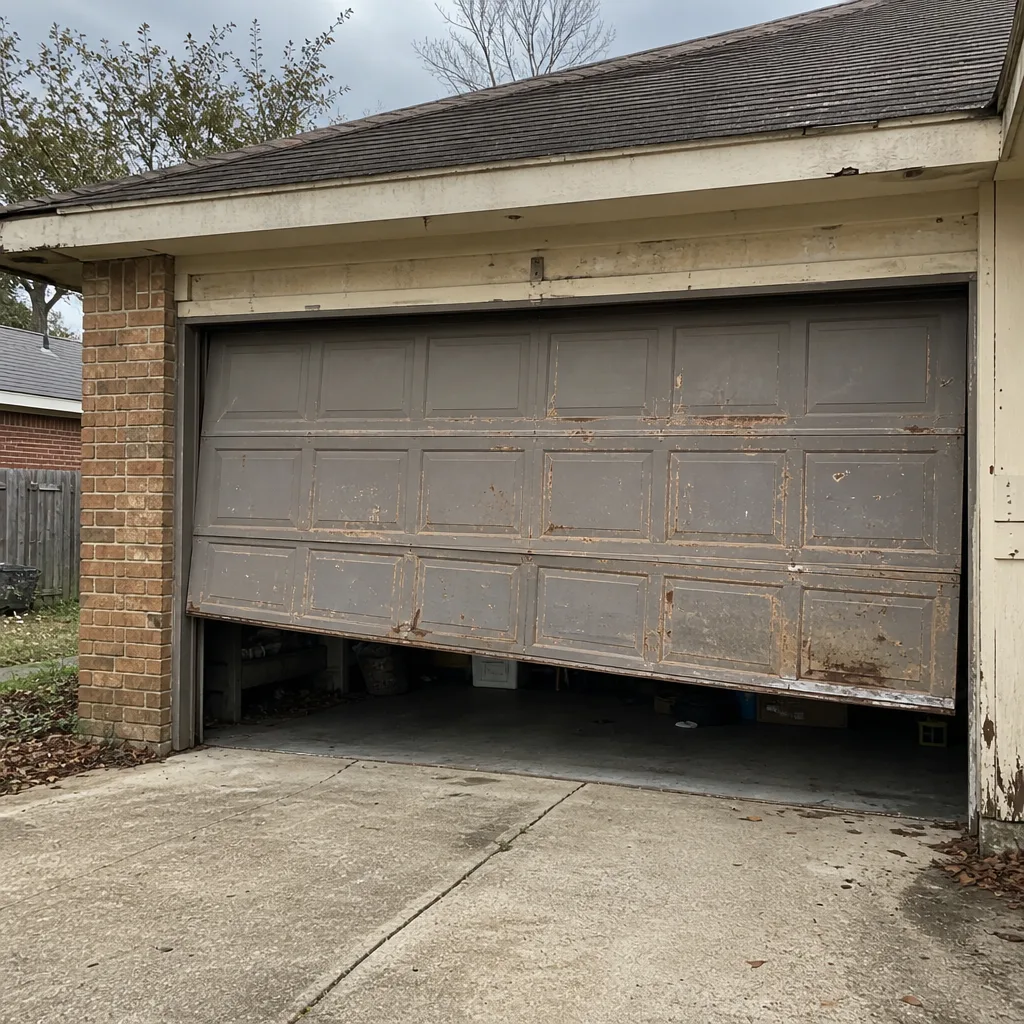
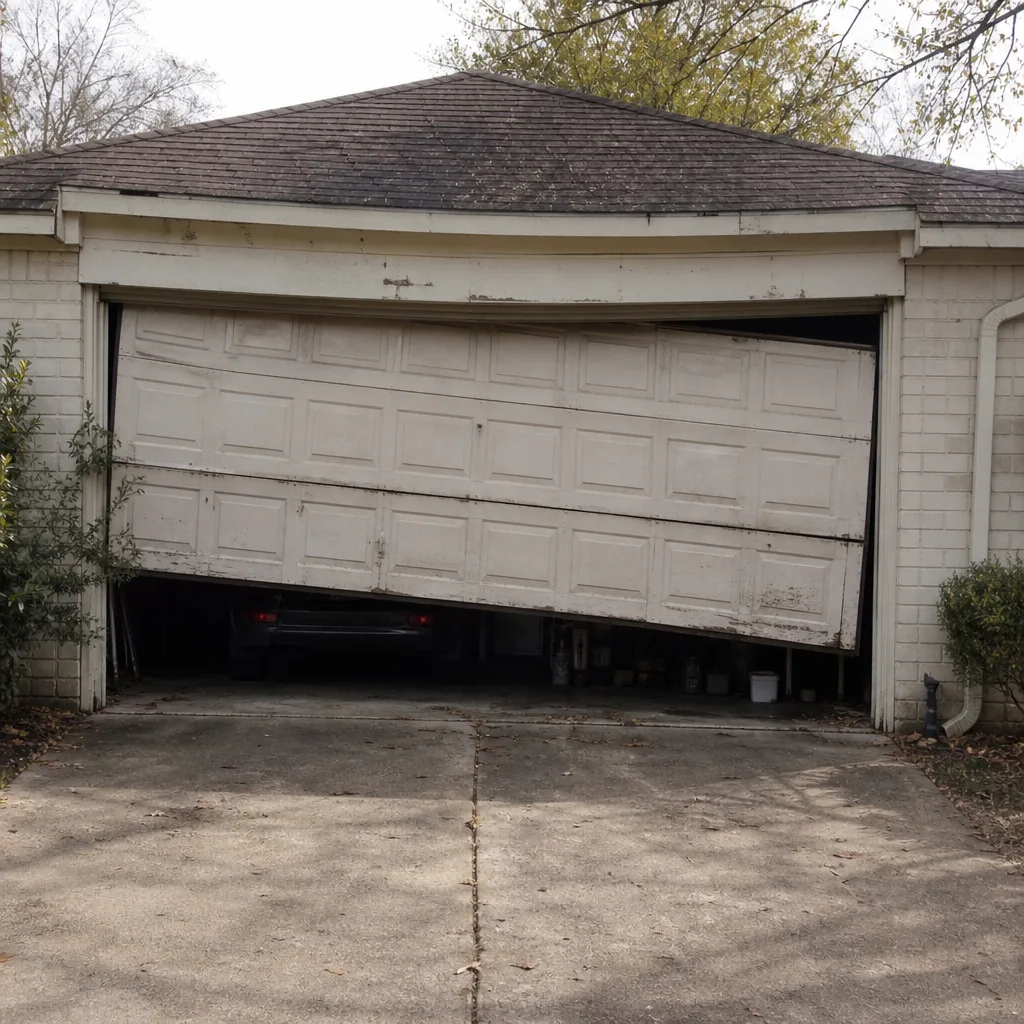
See the difference
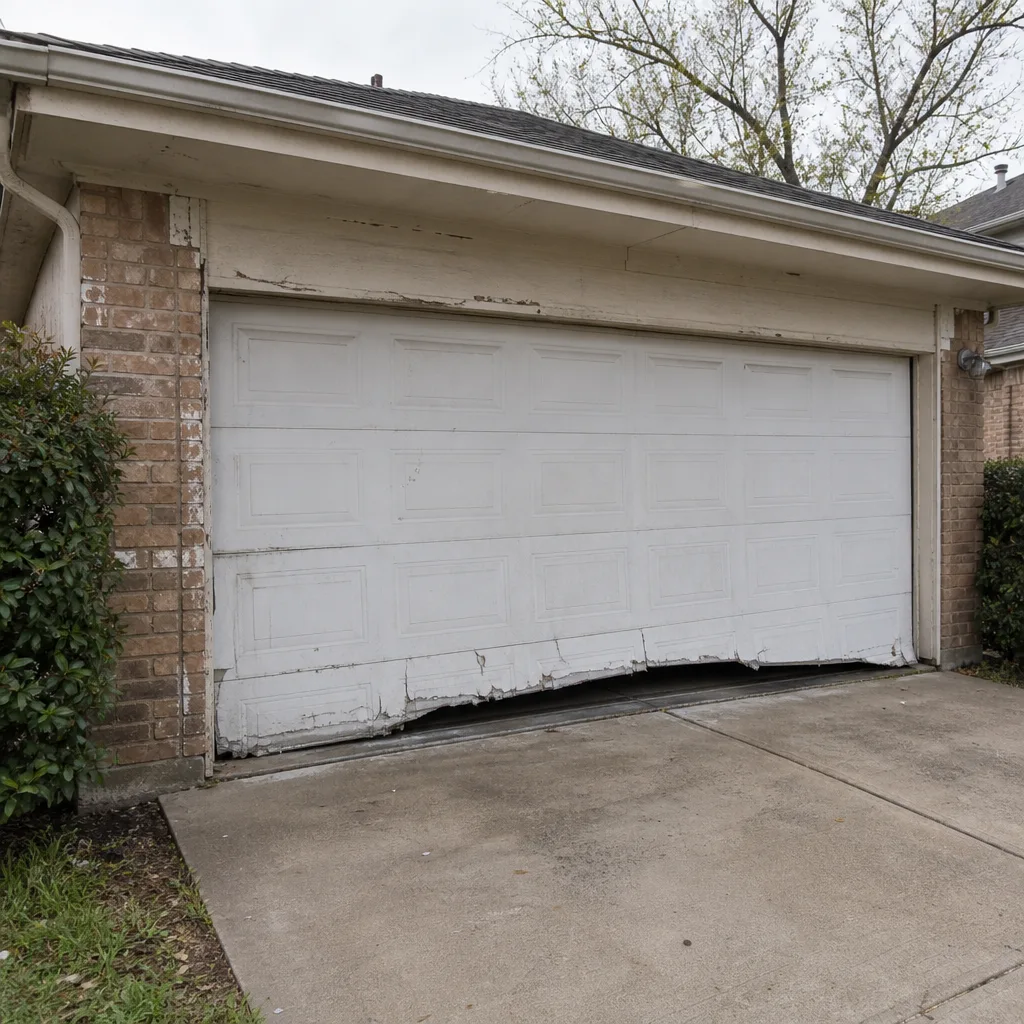 Before
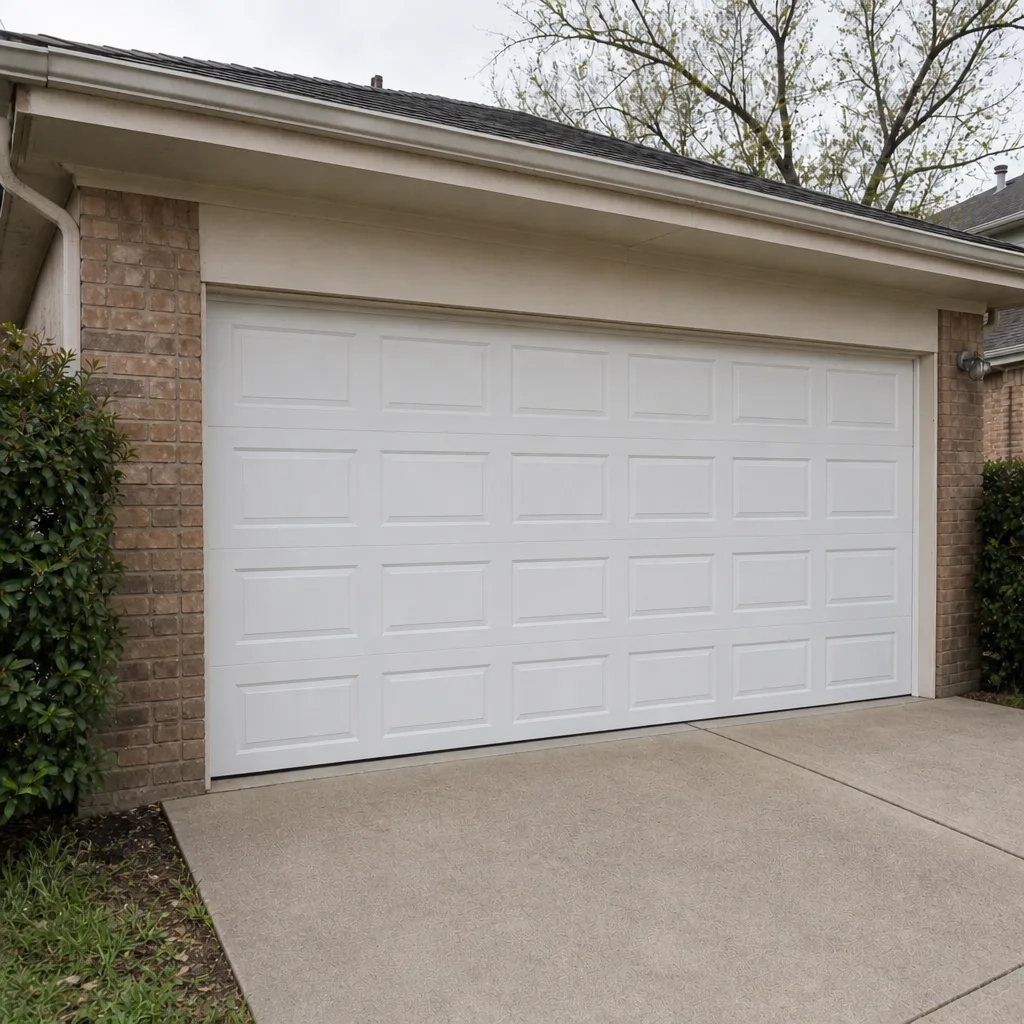 After
 Before
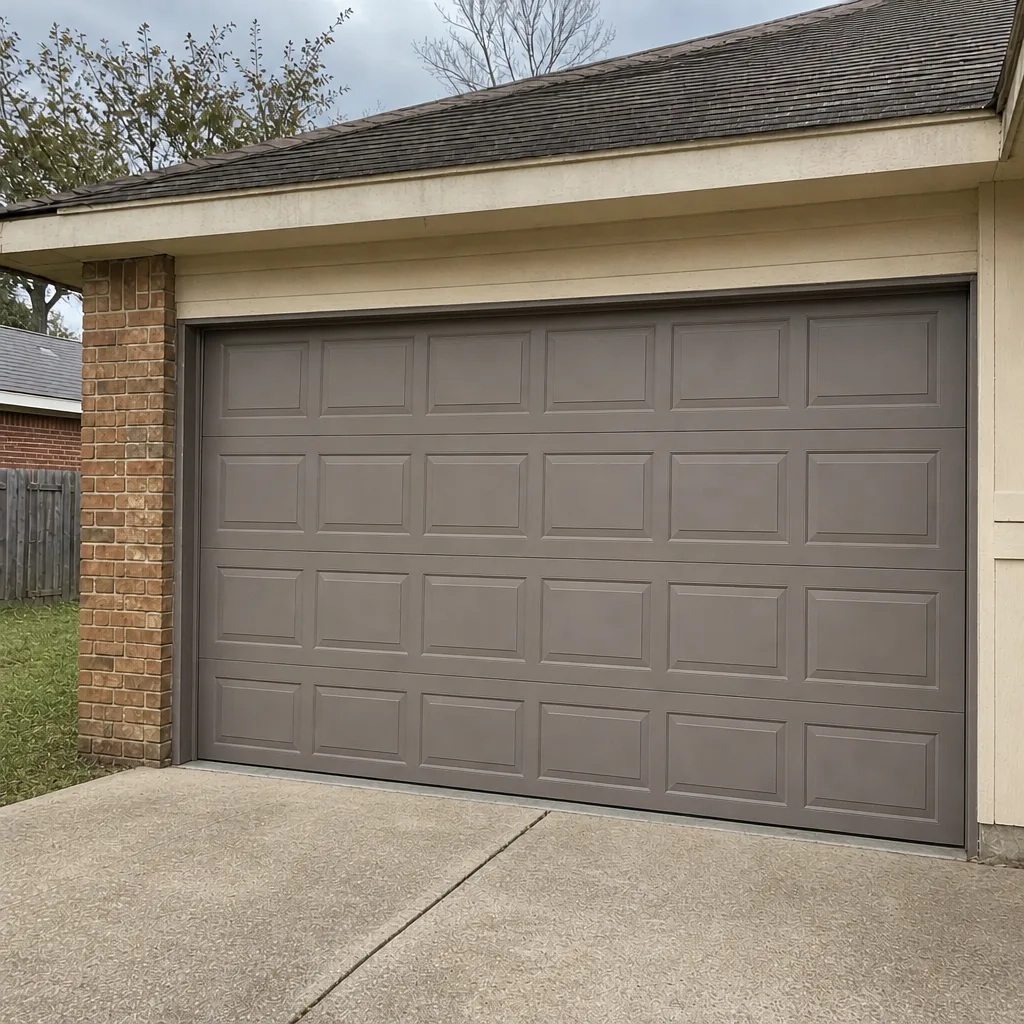 After
 Before
 After
When to Call a Professional
Call a professional when the work involves springs, cables, or the opener’s safety systems, and call before a sale or a claim if you’re unsure about the documentation on a past replacement. Springs and cables are under high tension and are the most dangerous components in the system; this is not a DIY repair. A door that’s out of balance, an opener that fails the reversal test, or a photo-eye sensor that won’t hold alignment all call for a trained technician. If you’re planning a replacement and want the opening assessed before you order, Westchase Garage Door Repair offers free estimates in Westchase. Call (866) 690-3896. We answer 24/7. Fast dispatch from 7am to 7pm, Sunday through Friday.
Frequently Asked Questions
In most cases, no – a same-size garage door replacement at a Westchase address in unincorporated Harris County usually doesn’t require a building permit. A permit is typically triggered when the opening size changes, the structural header is altered, or the work affects fire-rated separation between the garage and the living space. Westchase addresses inside Houston city limits may face different rules, so confirm with the permitting office that governs your specific address before ordering. Call (866) 690-3896 for an exact quote on the door work – estimates are free.
Use the Harris County or City of Houston address lookup tool, then call the permitting office to confirm. A “Houston, TX” mailing address doesn’t confirm you’re inside city limits, because the postal service assigns city names for delivery convenience and routinely labels unincorporated addresses with the nearest city. Your deed restrictions may also reference a specific municipality or county, which gives you a useful cross-check. Call (866) 690-3896 if you want the door work assessed while you sort out jurisdiction – estimates are free.
Texas building code treats garage doors as part of the building envelope, so the door has to meet a rated wind load requirement based on your home’s exposure, height, and the door’s size. The rating applies to the door, its reinforcement hardware, and its anchoring, and it applies to replacements whether or not a permit is required. Clopay and Amarr both publish wind ratings by model and size, so the same panel style can carry different ratings. Call (866) 690-3896 for an exact quote on a rated replacement – estimates are free.
No. HOA architectural approval and code compliance are entirely separate processes, and clearing one doesn’t clear the other. The HOA reviews appearance against deed restrictions; the building department reviews code compliance. A door can pass one and fail the other. Submit your HOA package with the door specification and get written approval before ordering, and confirm code requirements separately. Call (866) 690-3896 if you’d like the door assessed before you submit – estimates are free.
It can, by creating a documentation gap that surfaces during a title review or a buyer’s inspection. Texas real estate disclosure obligations ask sellers to disclose known defects and known conditions affecting the property, and an unpermitted improvement is a condition that needs careful handling. If a permit was required and an open record exists, the sale can stall while the record gets resolved. Confirm the record with the permitting office that governs your address before you list. Call (866) 690-3896 if you want the door itself assessed – estimates are free.
Yes, for assessment and repair work – same-day service is available, and fast dispatch runs from 7am to 7pm, Sunday through Friday. We answer 24/7, and a call outside dispatch hours is booked into the next opening. Installation and replacement work is measured, ordered, and scheduled rather than done same-day, so the first visit is a free measure and a written price. The estimate is free, and the price is quoted and agreed before any work starts. Call (866) 690-3896 for an exact quote – estimates are free.
The Bottom Line
Garage door permitting in Westchase comes down to three things: knowing which authority governs your address, knowing whether your specific work crosses a permit line, and keeping the documentation in one place. Most same-size replacements in unincorporated Harris County proceed without a permit, but a size change, a header modification, or a fire separation change usually triggers one. Wind load requirements apply either way, HOA approval is a separate hurdle from code compliance, and the records you keep now are what protect you during a sale or a claim later. Confirm your jurisdiction, get the HOA approval in writing, and keep the paper trail. For the Westchase Garage Door Repair team, the code questions and the door work go together, and we’re glad to help you sort both.
Contact Us
Whether you’re planning a replacement, checking whether a past install was documented, or just want a professional assessment before a sale or an insurance review, we’re ready to help. Call (866) 690-3896 for a free estimate. We answer 24/7. Fast dispatch from 7am to 7pm, Sunday through Friday. We’ll confirm what we can see on the door and tell you plainly what the next step is.
Written by the team at Westchase Garage Door Repair.